
How have Germany’s relations with Russia and Ukraine developed since the 2025 German Federal Elections?
Jakub Eberle and his colleague Vladimír Handl just published a chapter in the book “The 2025 German Federal Election”, evaluating Germany’s relations with Russia and Ukraine.
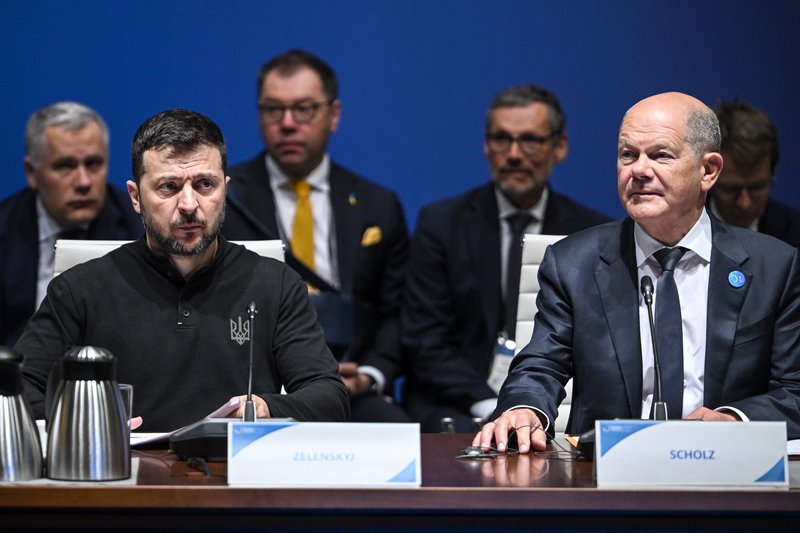
They proceed in three steps. First, they review the developments under the Traffic Light coalition. They argue that the extent of the change cannot be overstated. Russia moved from a partner to a source of principal threat, while Ukraine shifted from a neglected country to a key partner. At the same time, the record of the Scholz government is mixed, as its policies were improvised, reactive and often half-hearted.
Second, they analyse the contestations in the run-up to the 2025 elections, in which the question of relations with Moscow and Kyiv played a prominent role, being highly sensitive for both politicians and the public. There was a broad pro-Ukraine consensus among the moderate parties—SPD, CDU/CSU, Greens and FDP—with notable differences concerning the extent of support to Ukraine. Much more fundamental challenge, however, emerged from the AfD, BSW and The Left Party and parts of the public debate.
Finally, they show that the arrival of the Merz government brought new dynamics, but that the future prospects are still defined by the challenges of the ongoing war and the uncertain position of the Trump administration.