cutting-edge research into peace, conflict,
and international security
In our time of rapid change, the risks of major violent conflict are rising. The need to prevent unnecessary human suffering calls for a deeper scholarly understanding of the causes, consequences, and dynamics of violence, and for an elaboration of new measures to foster international cooperation. These are the main goals of our interdisciplinary Center of Excellence, funded by Charles University.
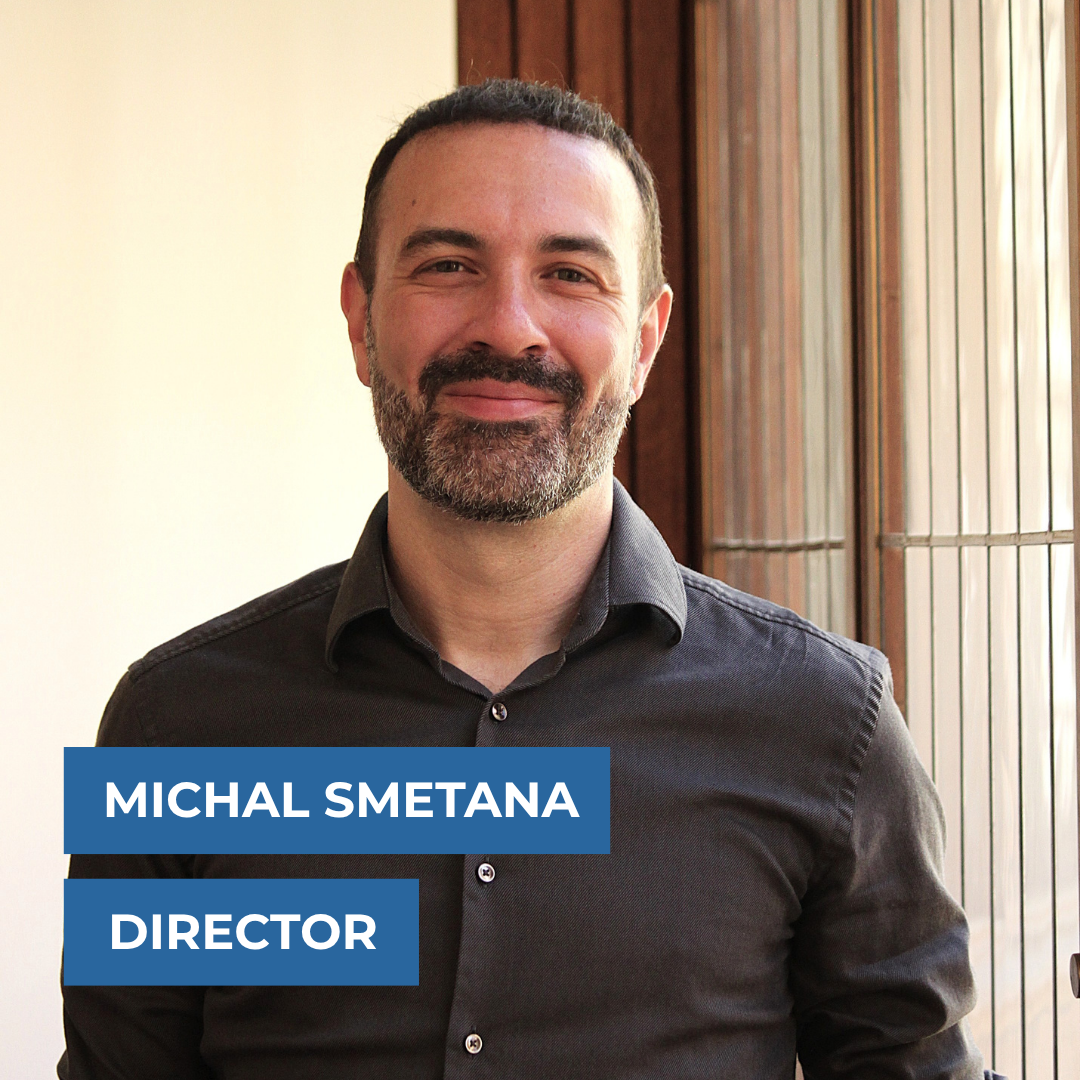
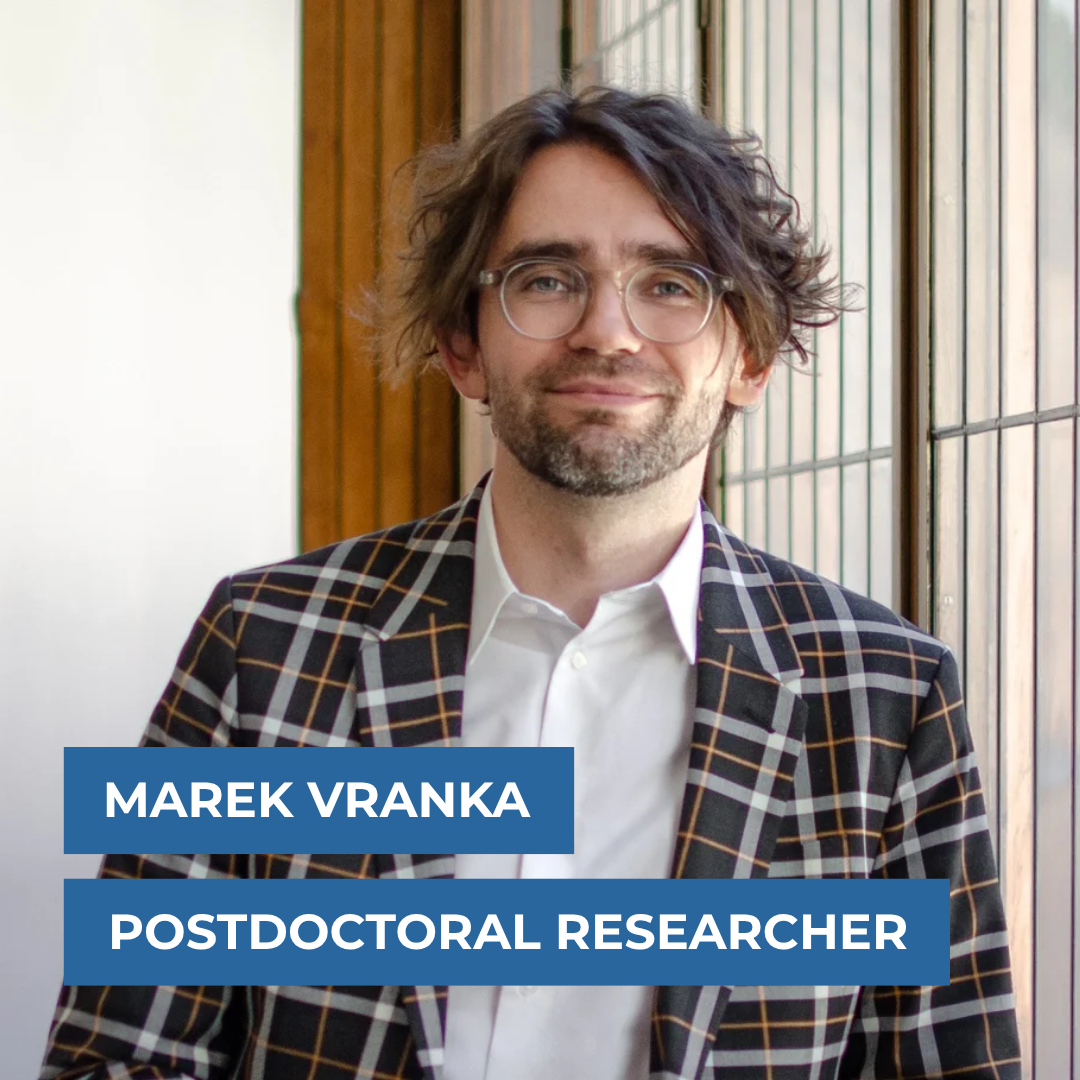
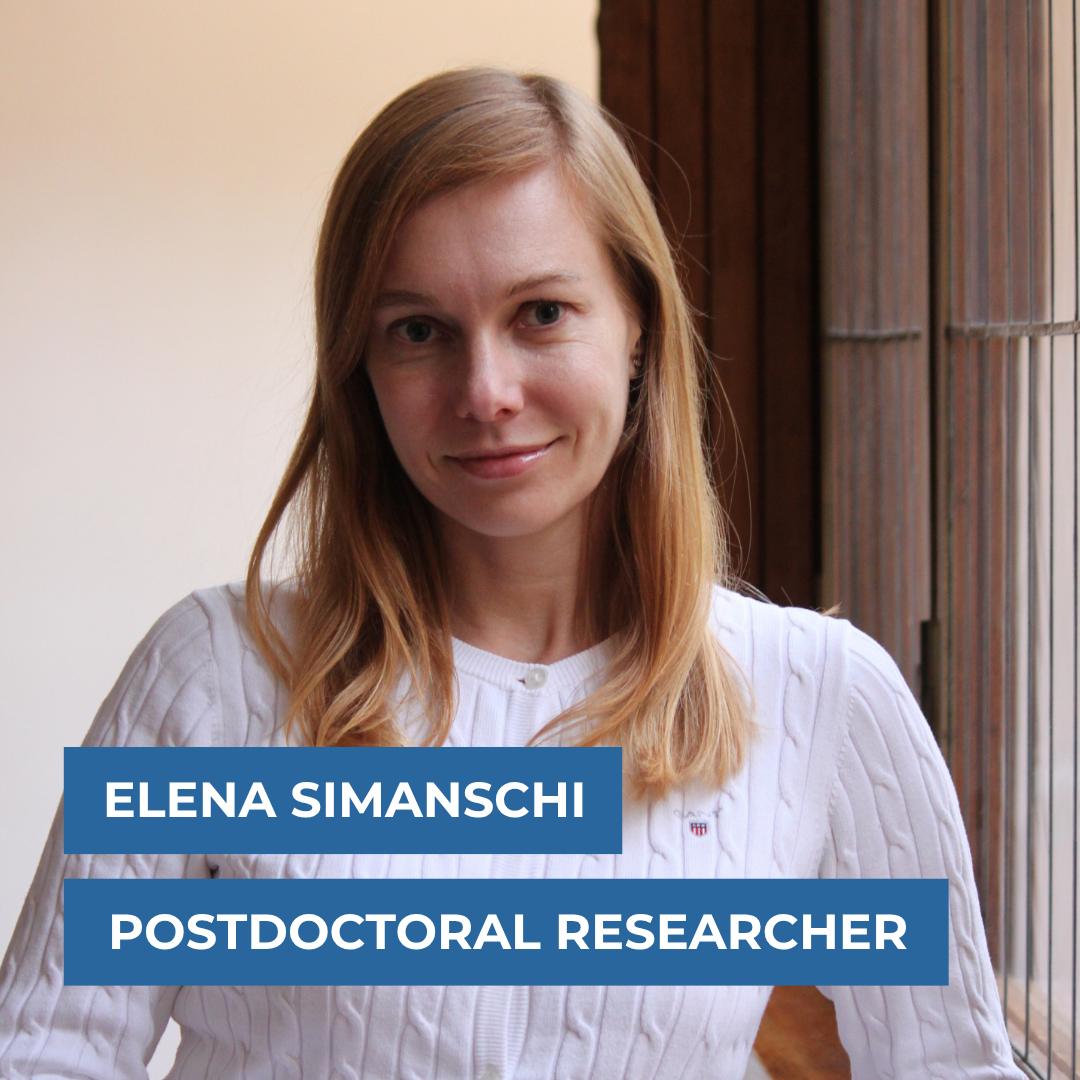
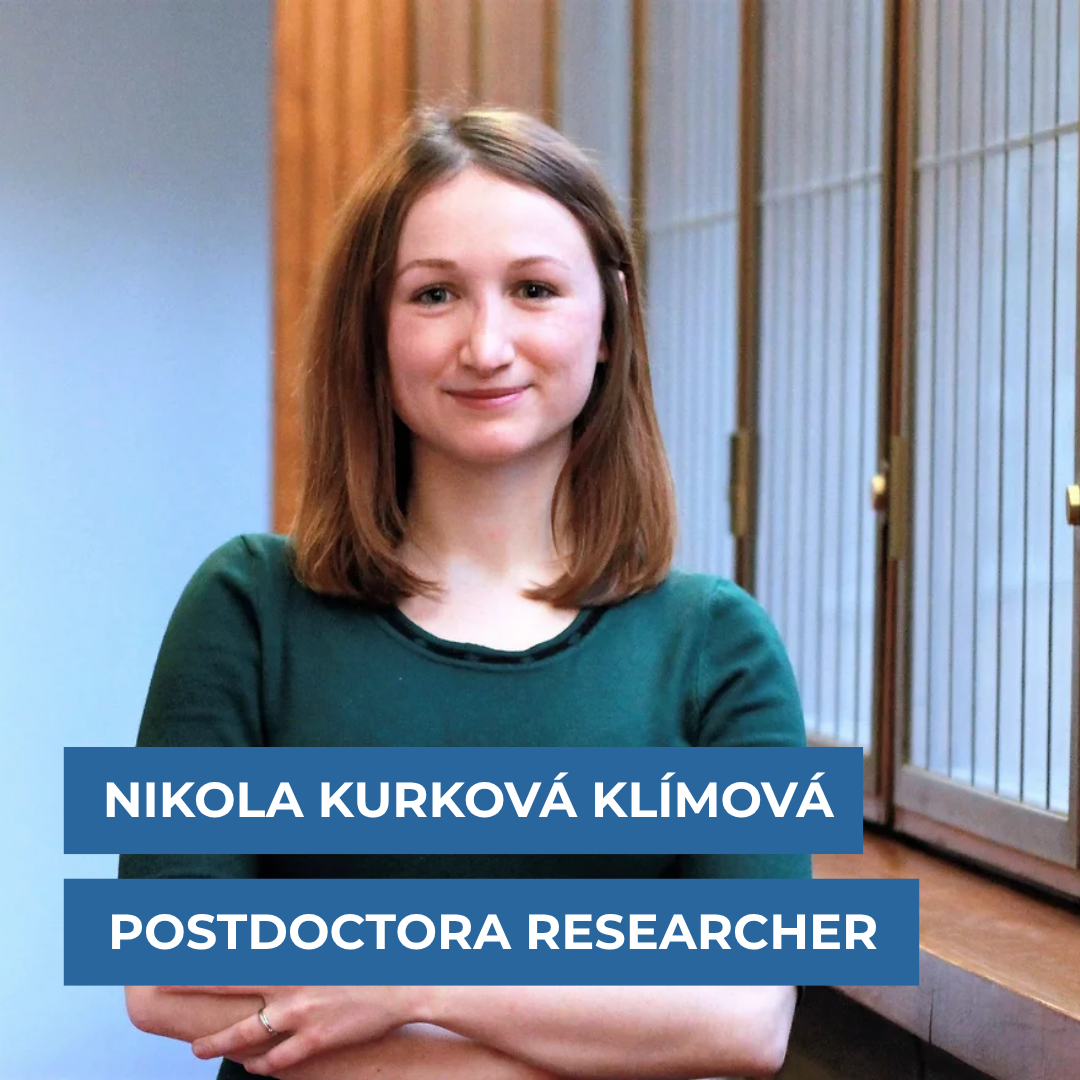
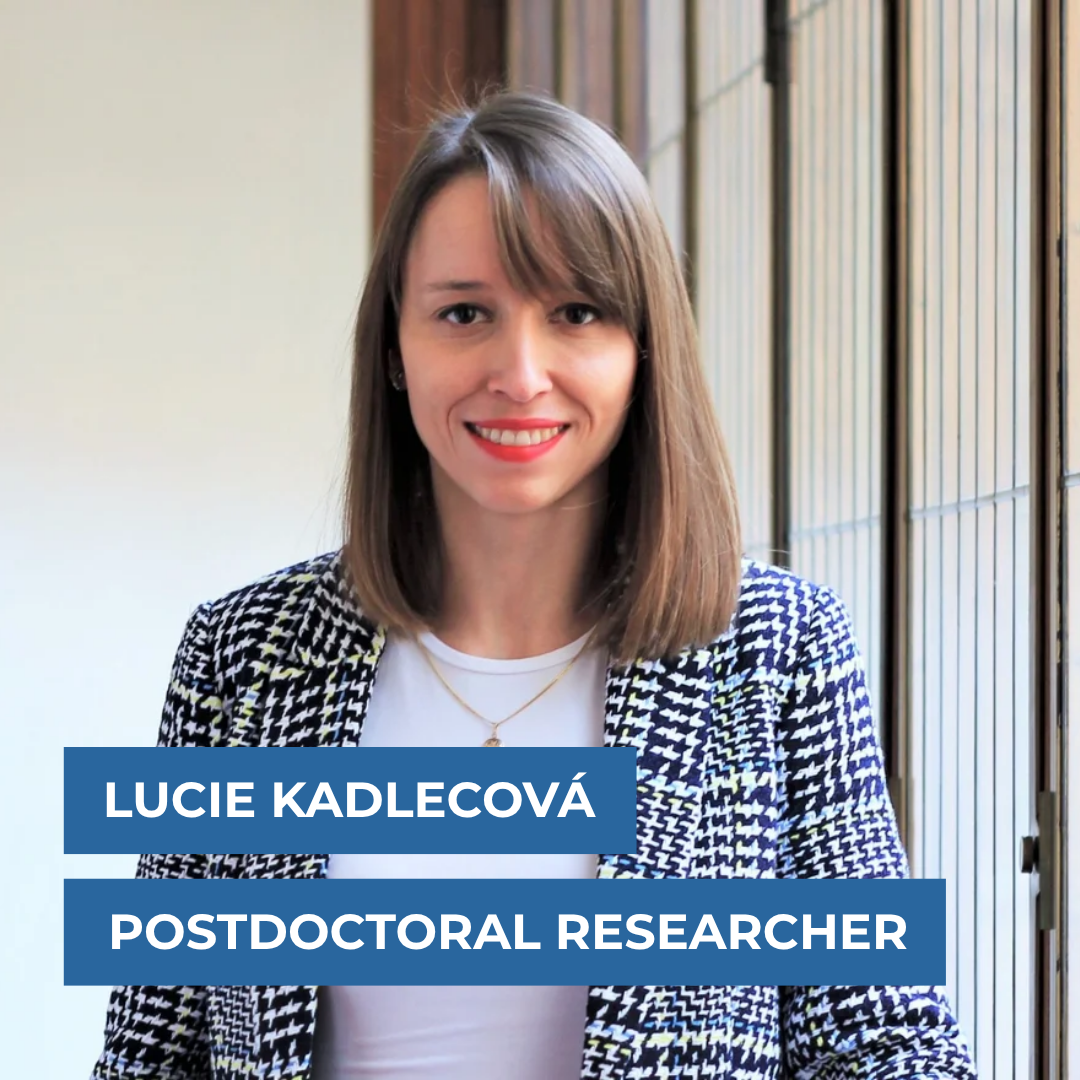
Our Peace Research Center Prague team is comprised of renowned scholars on various topic surrounding international security, such as arms control, nuclear disarmament, non-proliferation or public-elite opinion gaps. We cover the majority of conflict areas around the world, such as Russia and Ukraine, the Middle East or China and Taiwan.
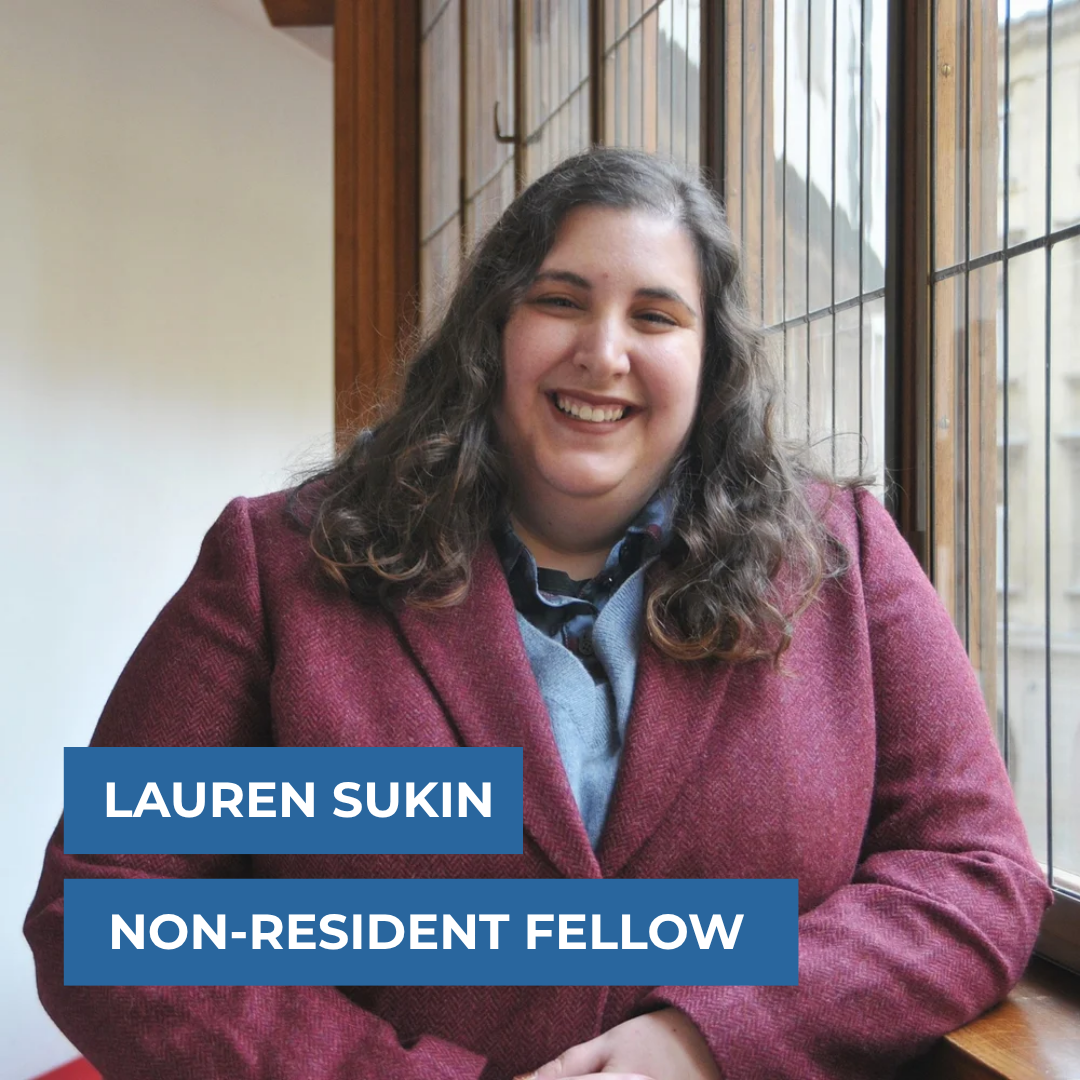
A new article from Lauren Sukin and her colleague Kathryn Hedgecock (United States Military Academy) finds that in gray-zone conflicts, states generally use deniability (obscuring which actors took which actions) to limit the extent of accountability for their aggression in the international system. Using a survey experiment on US military cadets (N = 735), the authors argue that the use of deniability strategies makes escalation more likely but also lowers the intensity of the escalation that occurs. Find the full article here.
A PRCP study conducted in collaboration with Ipsos across 4 waves (2022–2026) on a representative sample of the Czech population shows neutrality remains the dominant stance on Israel, but since 2024 positive views have declined and negative views have increased. The sharpest shift is among women aged 18–29, with nearly half expressing a negative attitude toward Israel in 2026.
A new article by our researcher Lauren Sukin and her colleague Helen Webley-Brown discovers that domestic politics in the U.S. has international consequences in the nuclear realm. Using a cross-national survey experiment in 5 countries (N = 6,009), the article finds that particularly public polarization undermines international trust in U.S. nuclear deterrence, regardless of the party in control. Find the full article here.
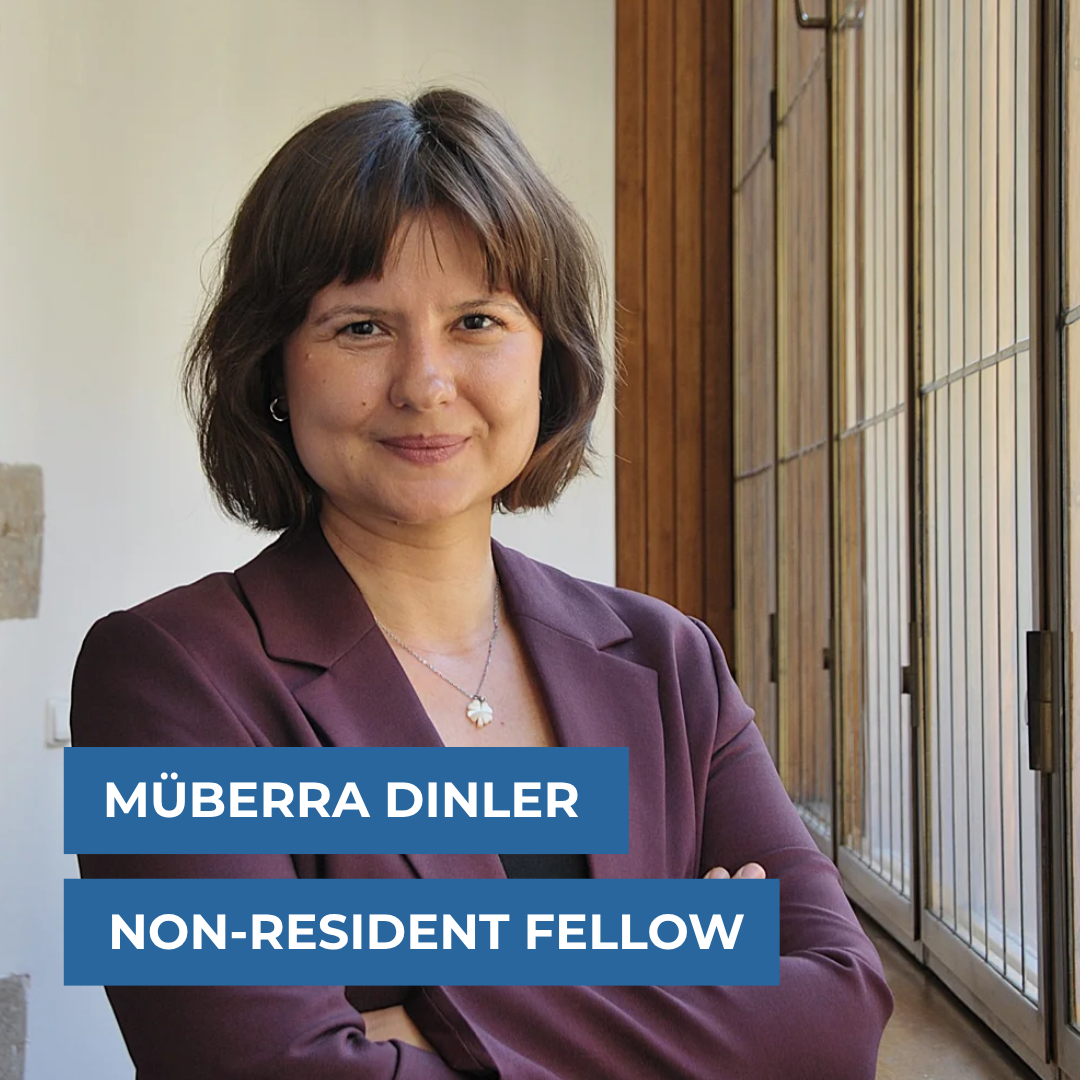
A new article by Müberra Dinler explores how Iran manages international stigma. By leveraging symbolic power derived from past struggles against foreign intervention and monarchy, the regime creates a Separate System of Honour, turning external shaming into domestic pride. This performance sustains domestic legitimacy and aligns Iran with regional and global "in-groups" such as the Axis of Resistance. Find the full article here.
In their first ERC-funded article titled “Allied commitments and public support for military interventions: A cross-national experiment”, Michal Smetana, Marek Vranka, and Ondřej Rosendorf present findings from a cross-national survey experiment across six countries (N = 7,200) to show that while allied commitments boost public support for military intervention globally, this effect is weaker in non-Western, non-NATO countries. Find the full article here.
In a new article in the Journal of Conflict Resolution, Tobias Risse and Christoph Valentin Steinert use findings from four survey experiments among citizens and parliamentarians in the UK and Germany to show that when forming opinions on arms exports, politicians are not more likely than citizens to trade human rights for the political and economic benefits of the trade. Find the full article here.
Join us for a session of the PEACE Webinar Series on misconceptions of emerging technologies in peace and security. Veronika Klymova, Evelyne Tauchnitz and Thomas Reinhold will unpack common myths around military AI, biological weapons, security spending and accountability, highlighting how flawed assumptions shape public debate and policy. The event will take place online on May 12th 12:00 (CET). Register here.