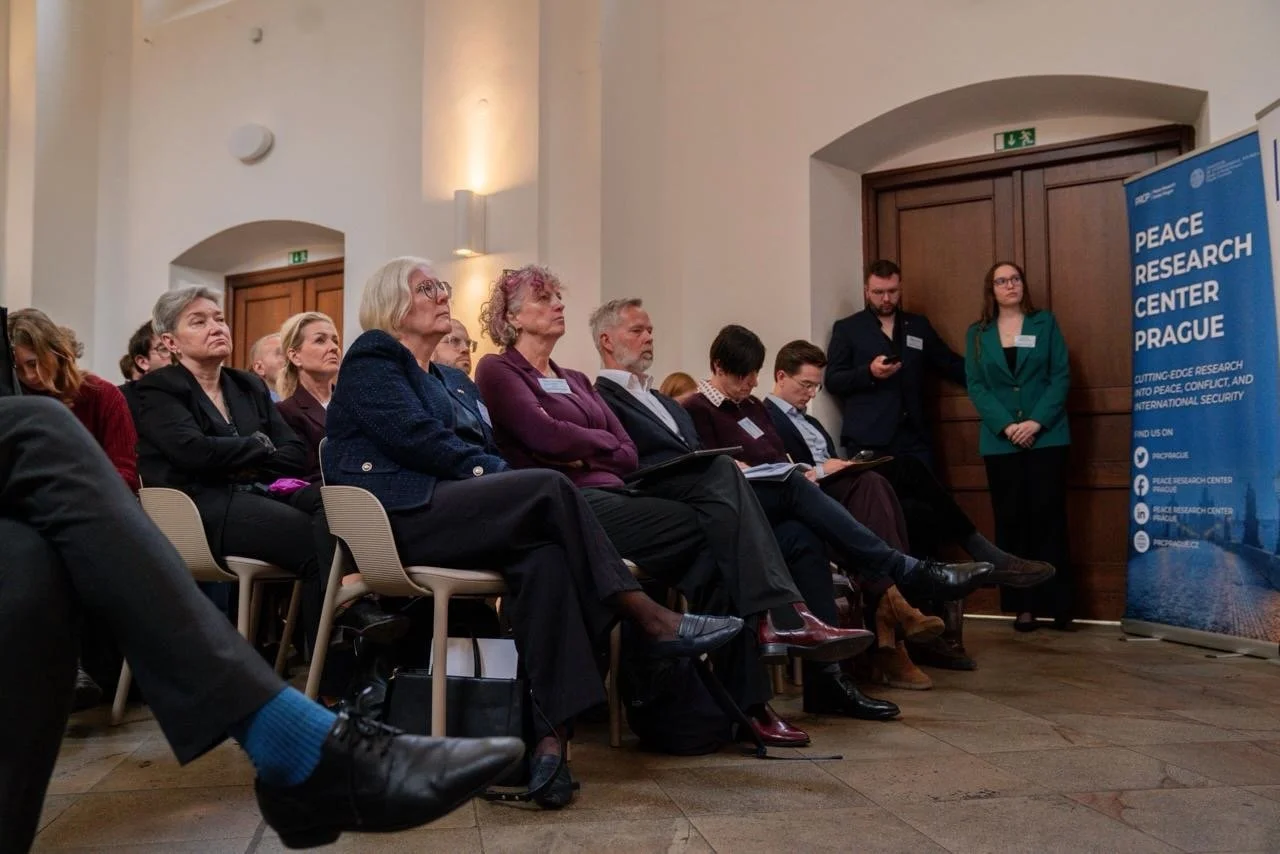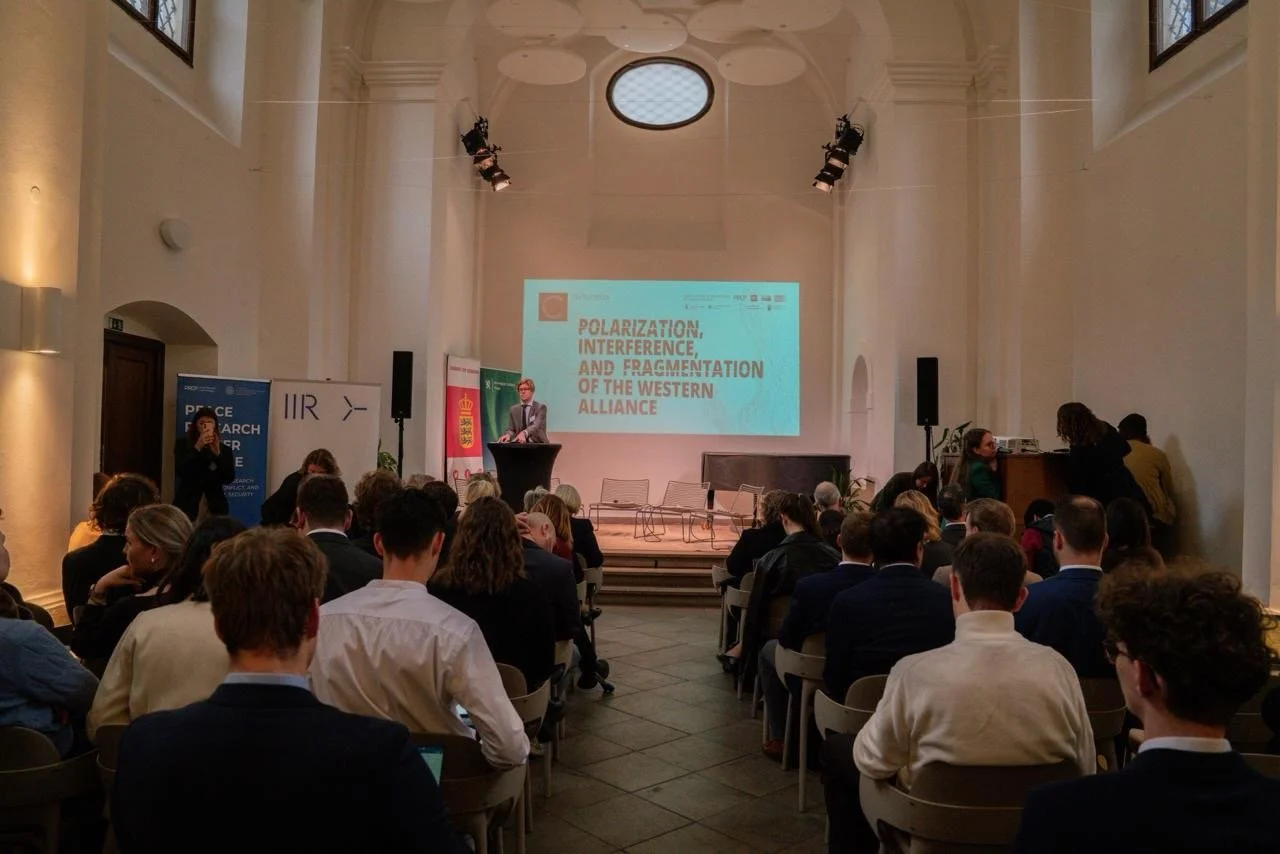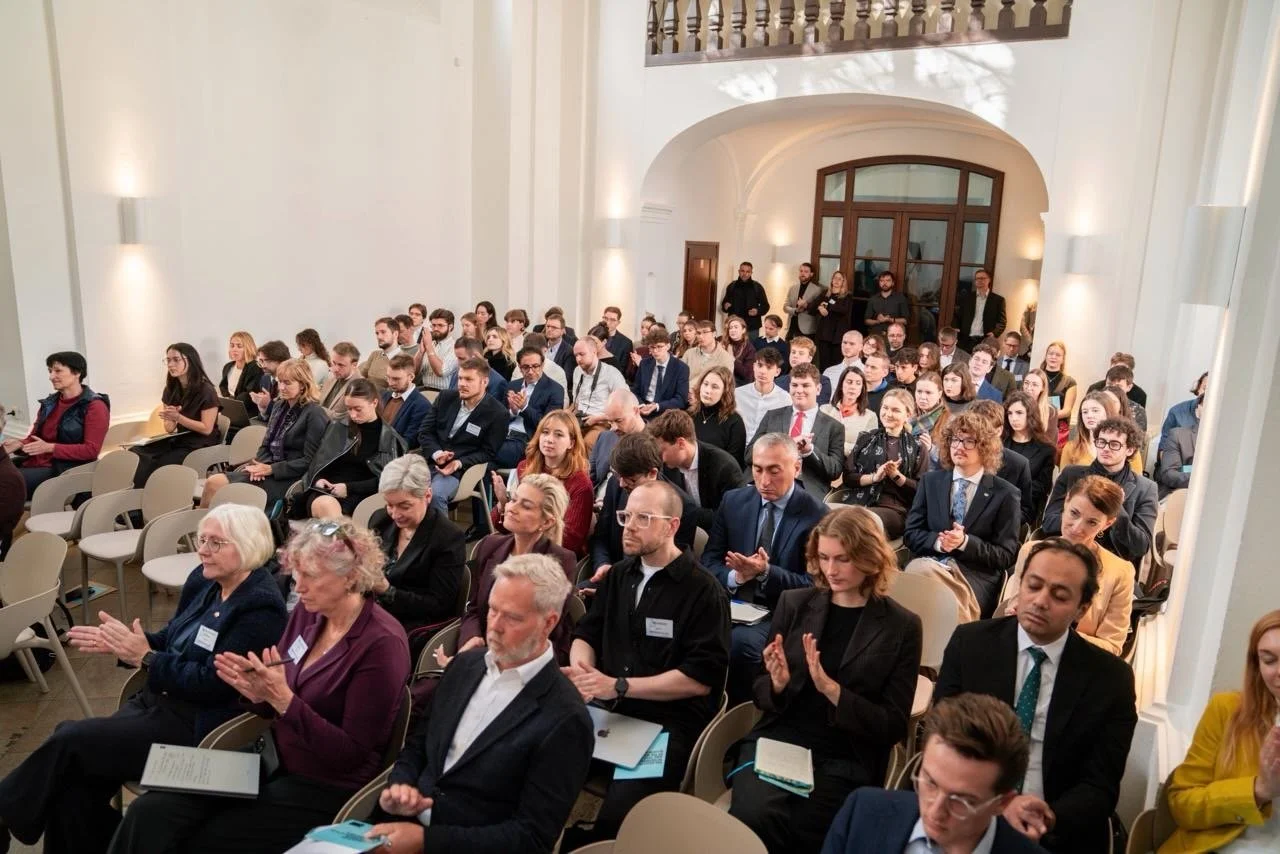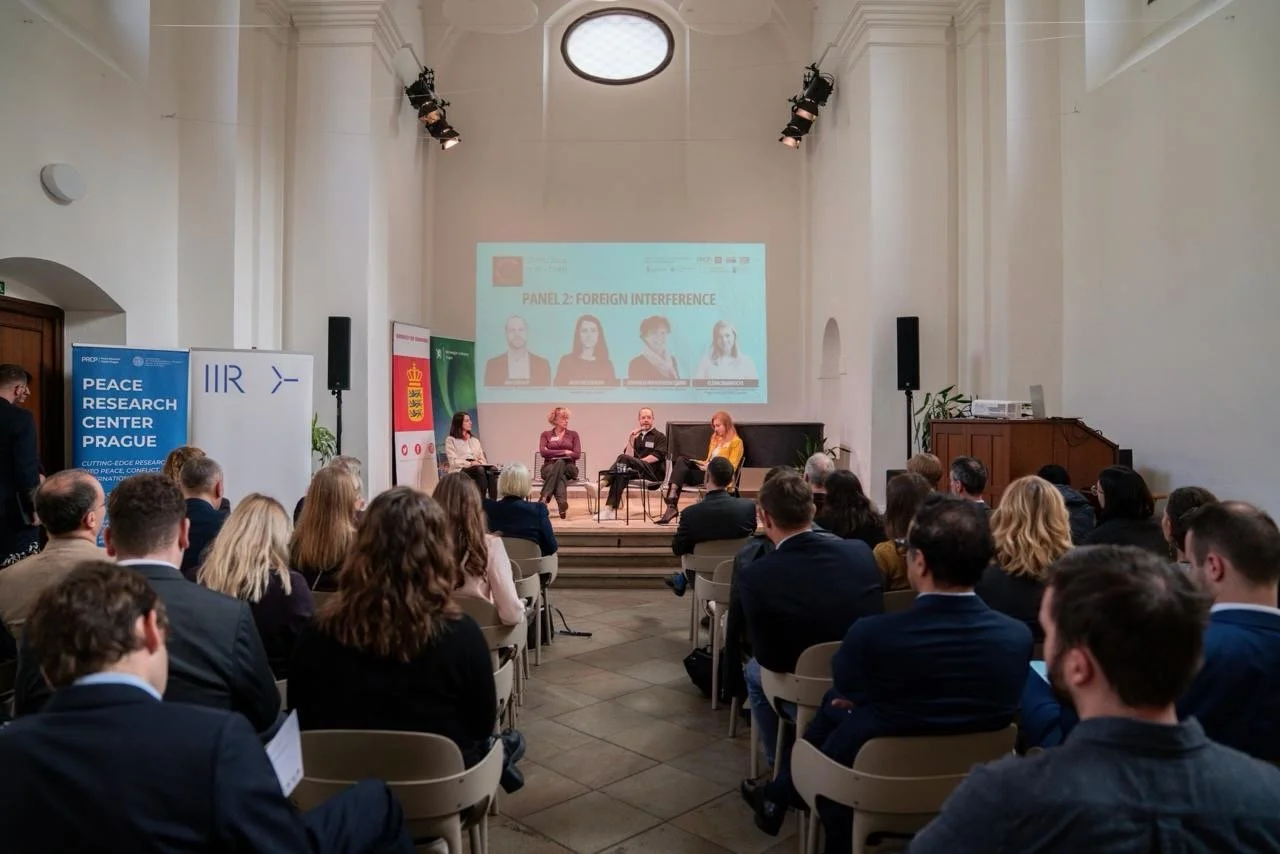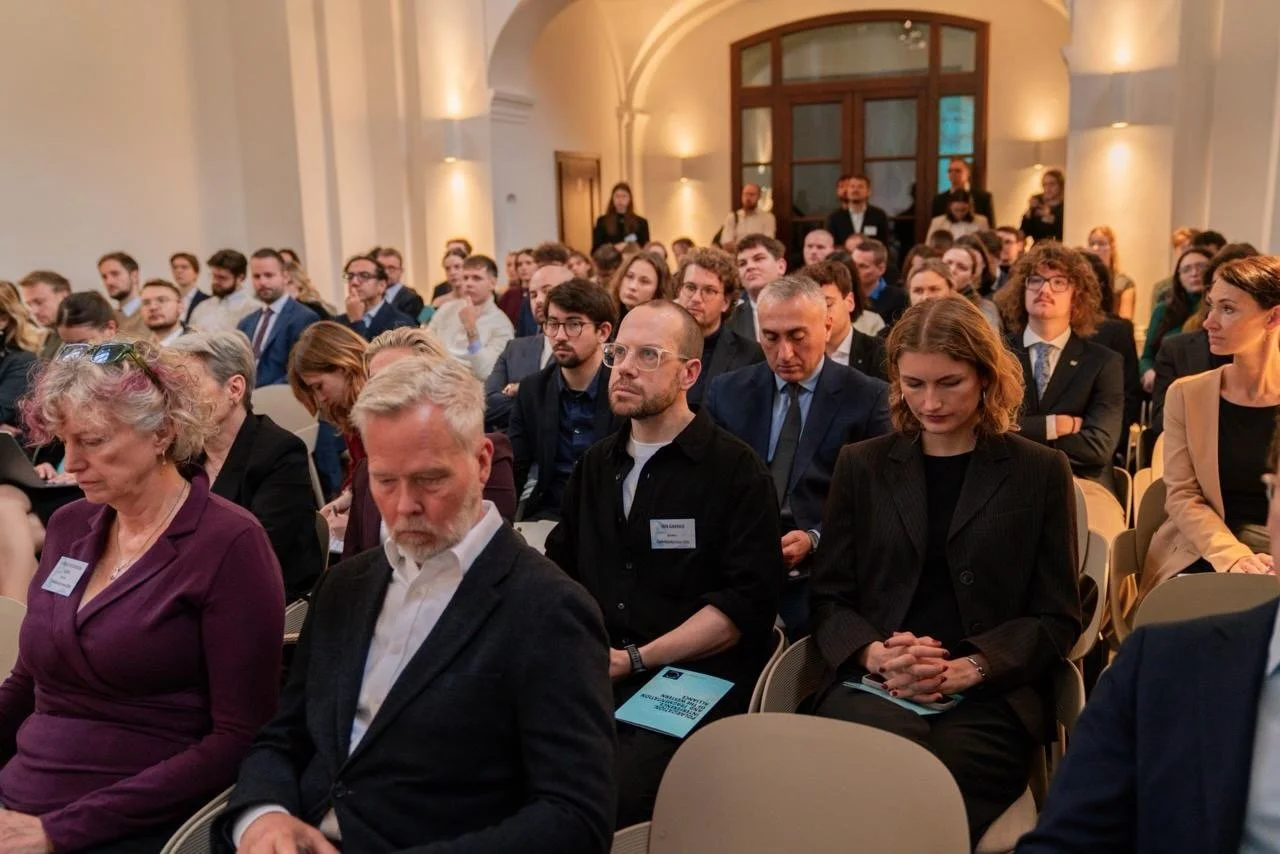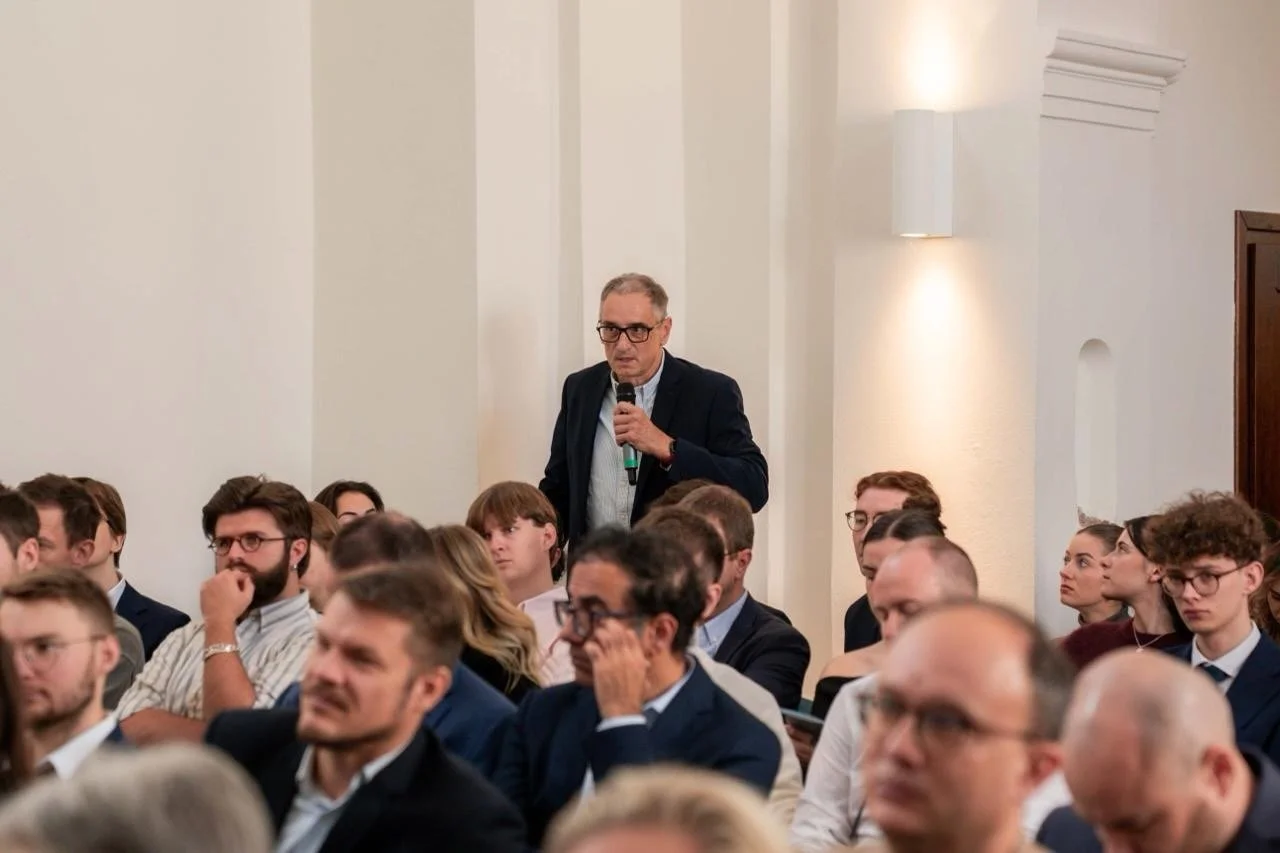
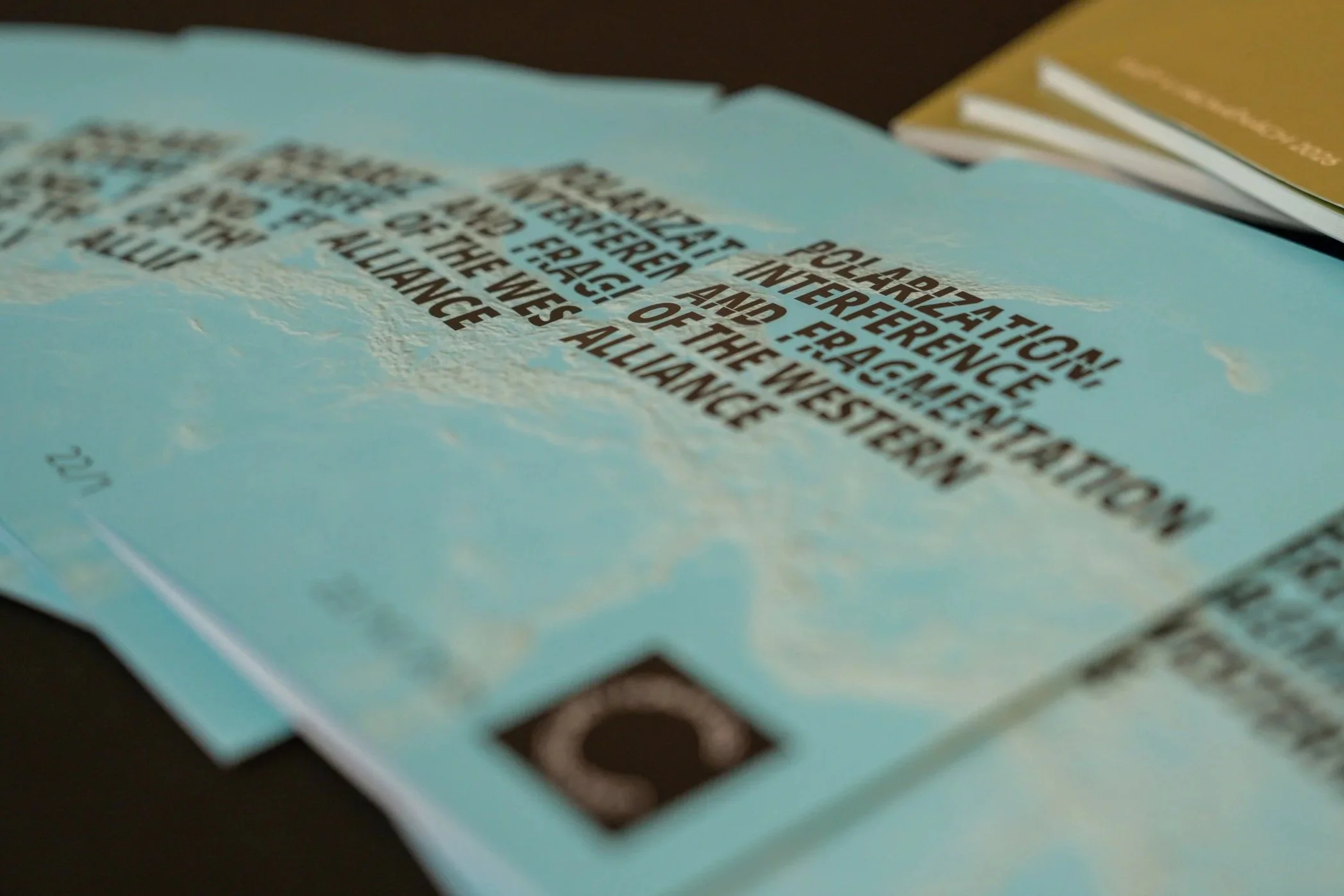
Is the Western alliance coming apart, and what is driving the divisions within and between our societies? These questions set the agenda for the Czech Security Forum 2026, held on October 22 at Atrium Žižkov. Building on last year’s debate about a possible new Cold War, this edition turned to three closely linked threats: polarization, foreign interference, and the fragmentation of the Western alliance.
The forum was organised by the Peace Research Center Prague and the Institute of International Relations Prague (IIR), together with the Institute of International Studies at the Faculty of Social Sciences, Charles University (IMS FSV UK), Friedrich-Ebert-Stiftung Prague, the Royal Norwegian Embassy in Prague, and the Embassy of Denmark in Czechia.
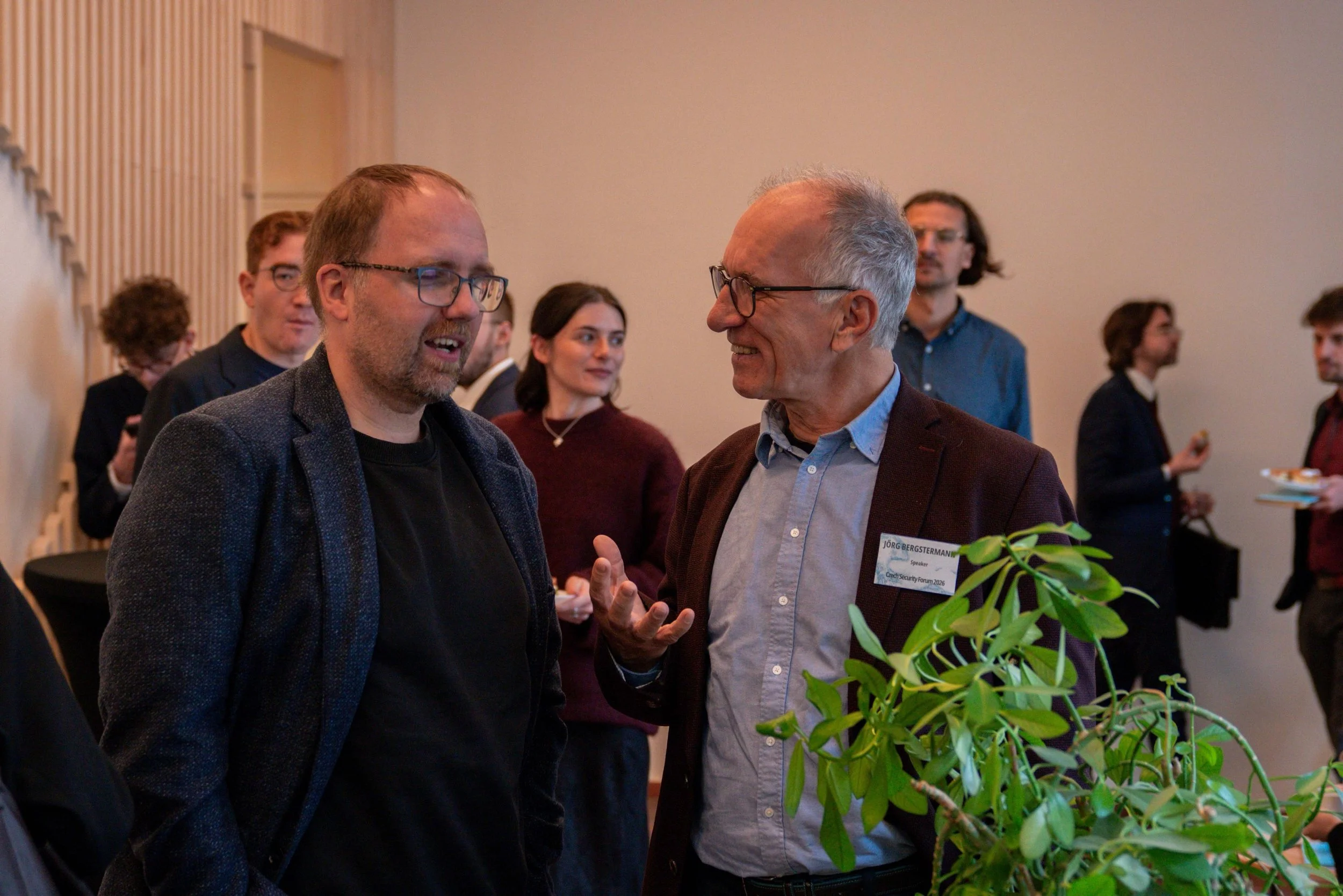
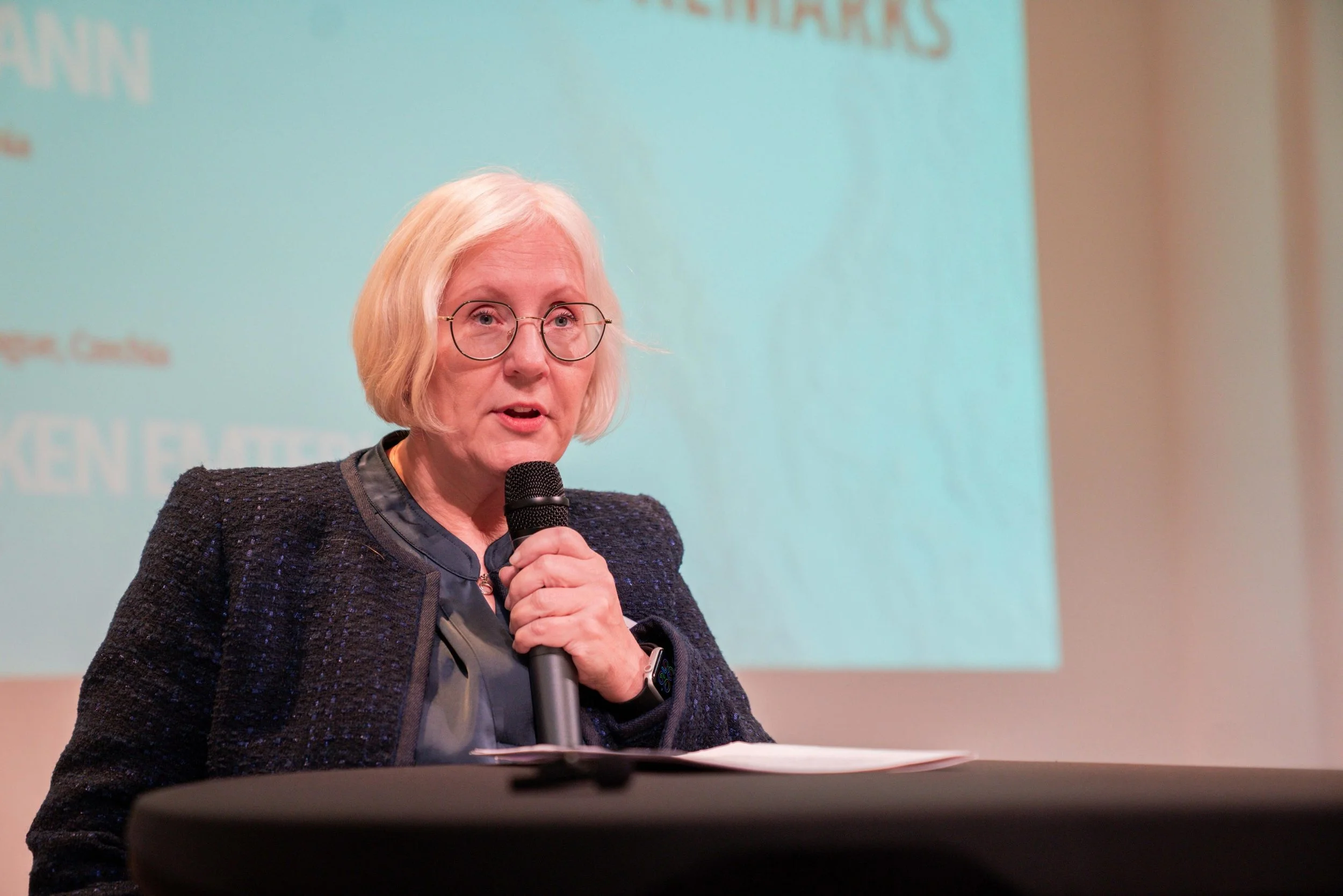
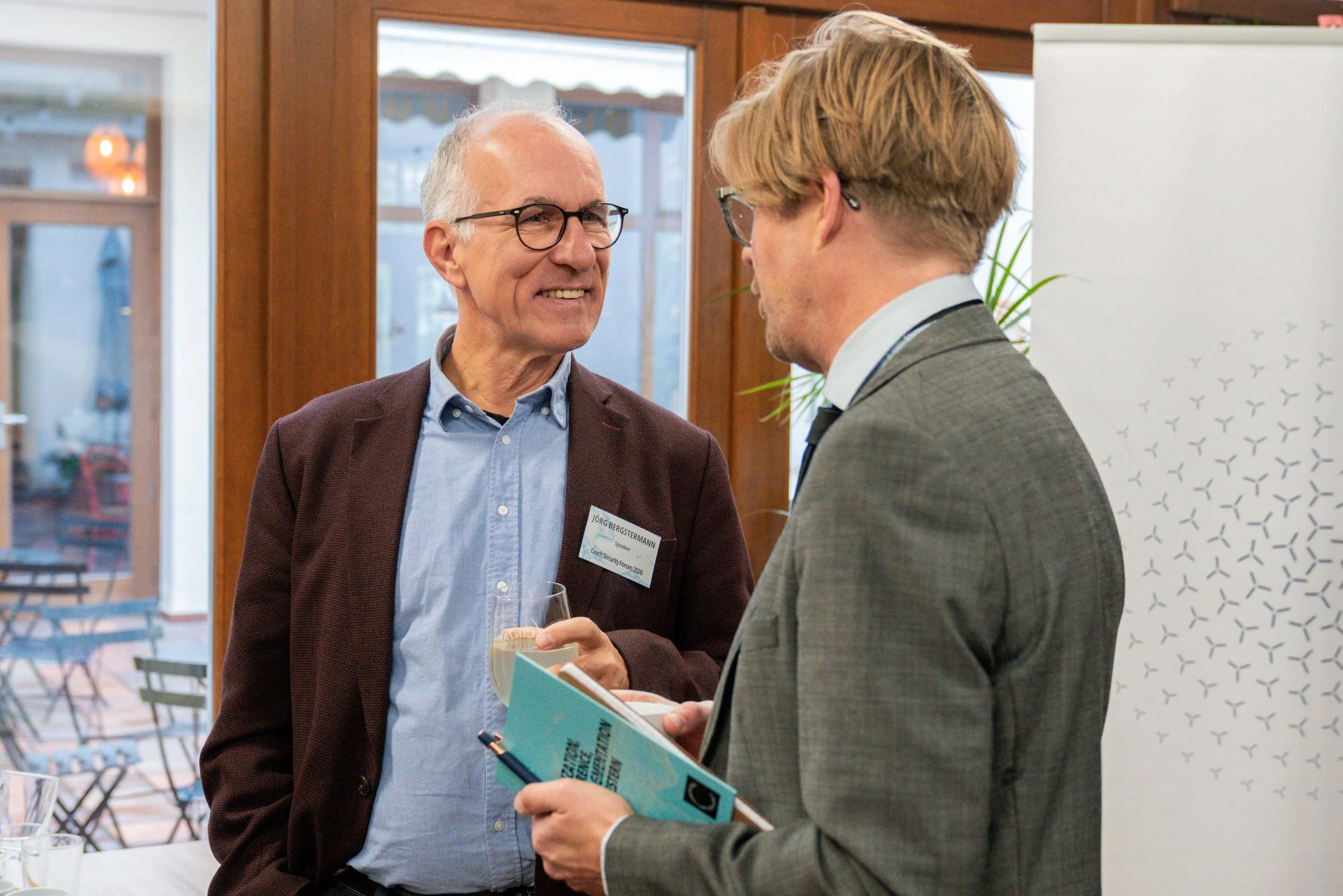
After welcoming words from IIR Director Mats Braun, Norwegian Ambassador Snøfrid Byrløkken Emterud pointed to cyberattacks, the shadow fleet, and disinformation as signs of a worsening security environment. Jörg Bergstermann of Friedrich-Ebert-Stiftung Prague questioned whether coherent geopolitical blocs exist at all today, while urging the audience to avoid “doom and gloom.”
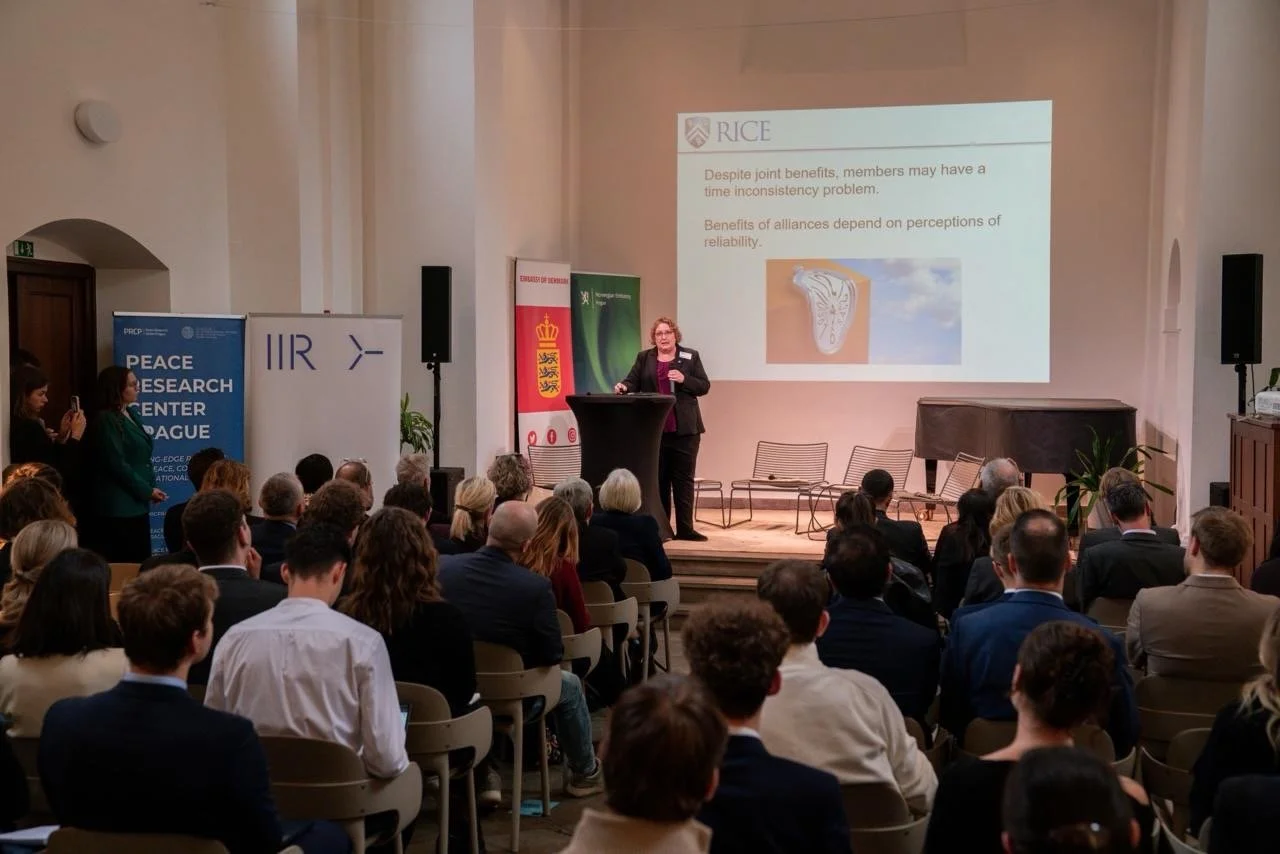
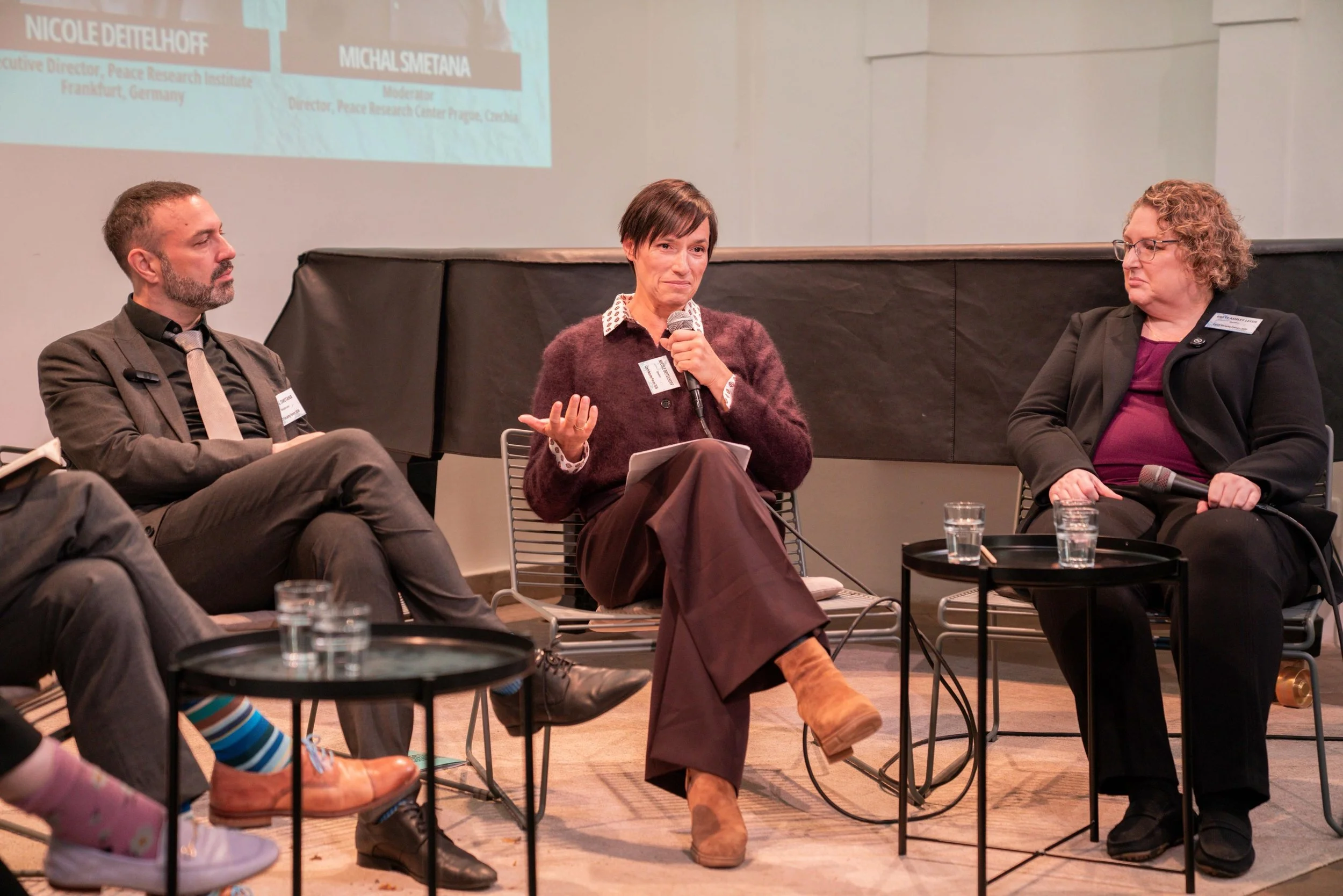
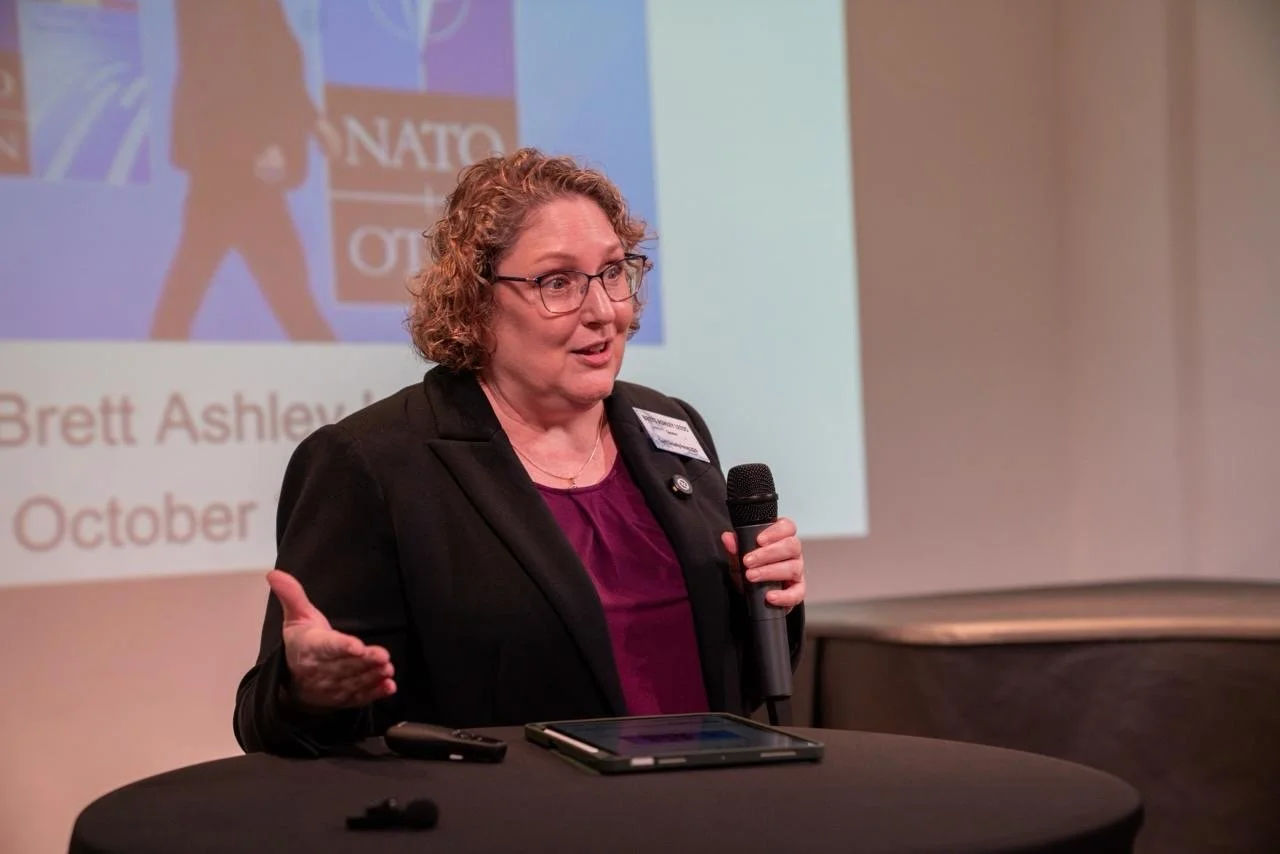
The keynote speech was delivered by Professor Brett Ashley Leeds from Rice University. Professor Leeds explained that the United States has gained enormous influence through its allies, who offer it shared interests, strategic access, and leverage in negotiations worldwide. Alliances, she argued, help preserve stability and deter aggression, and abandoning them because major wars seem distant would be a mistake.
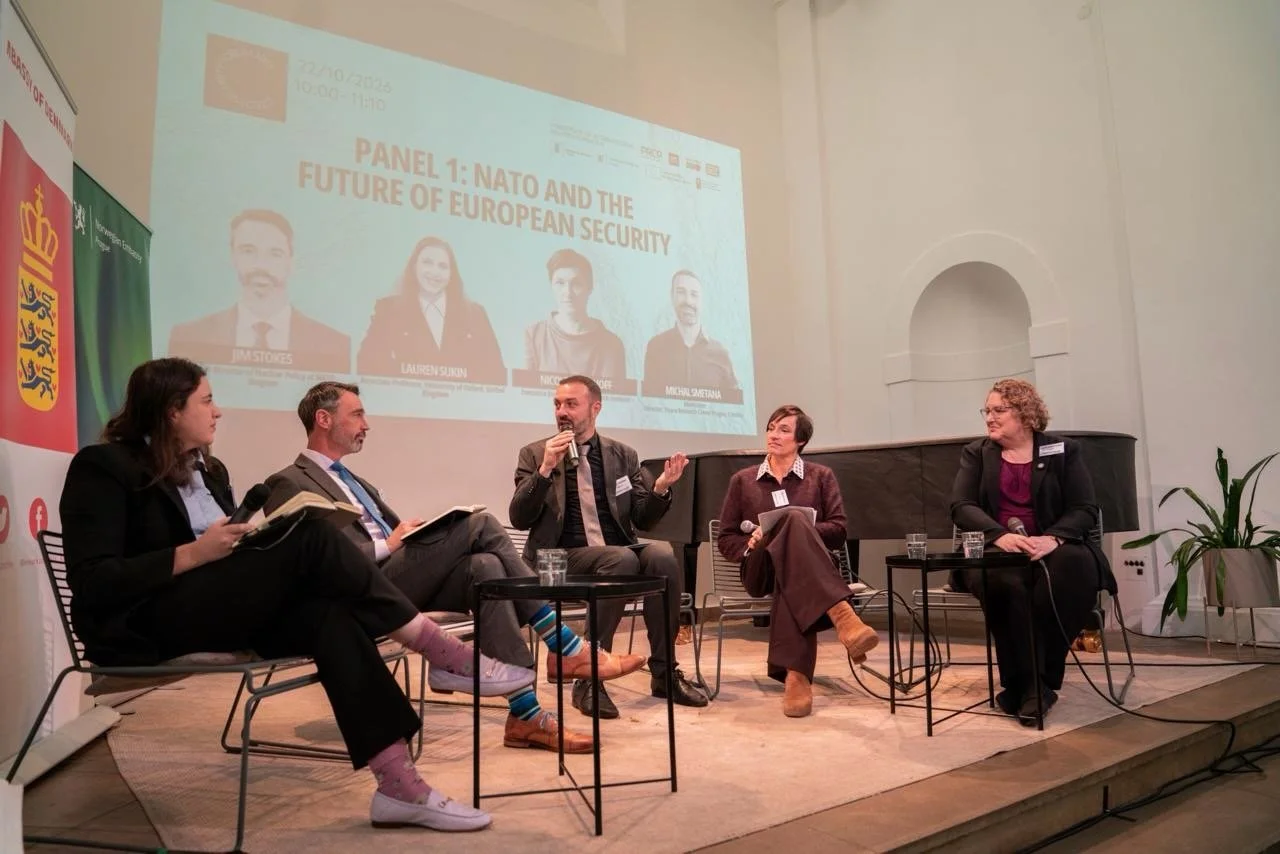
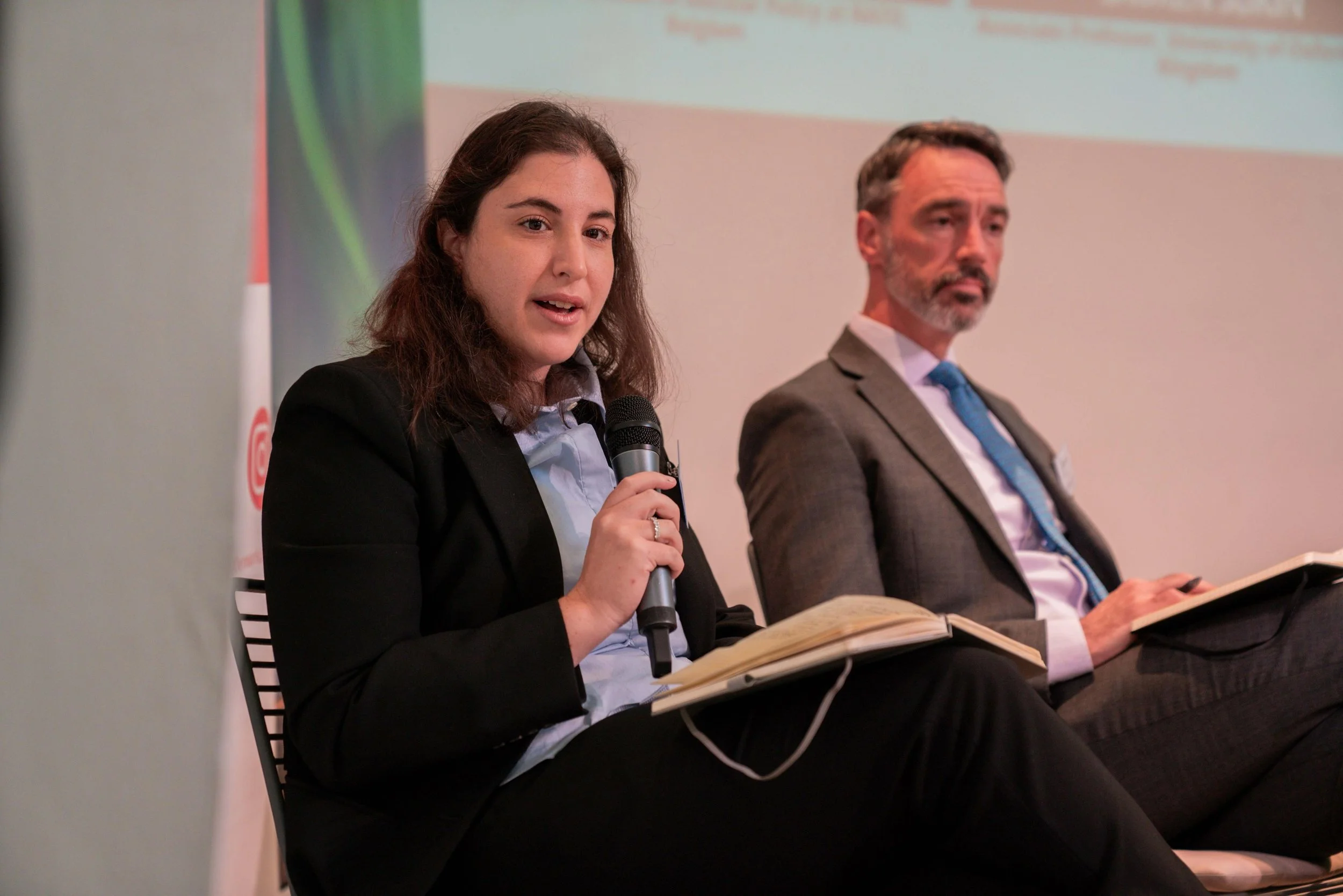
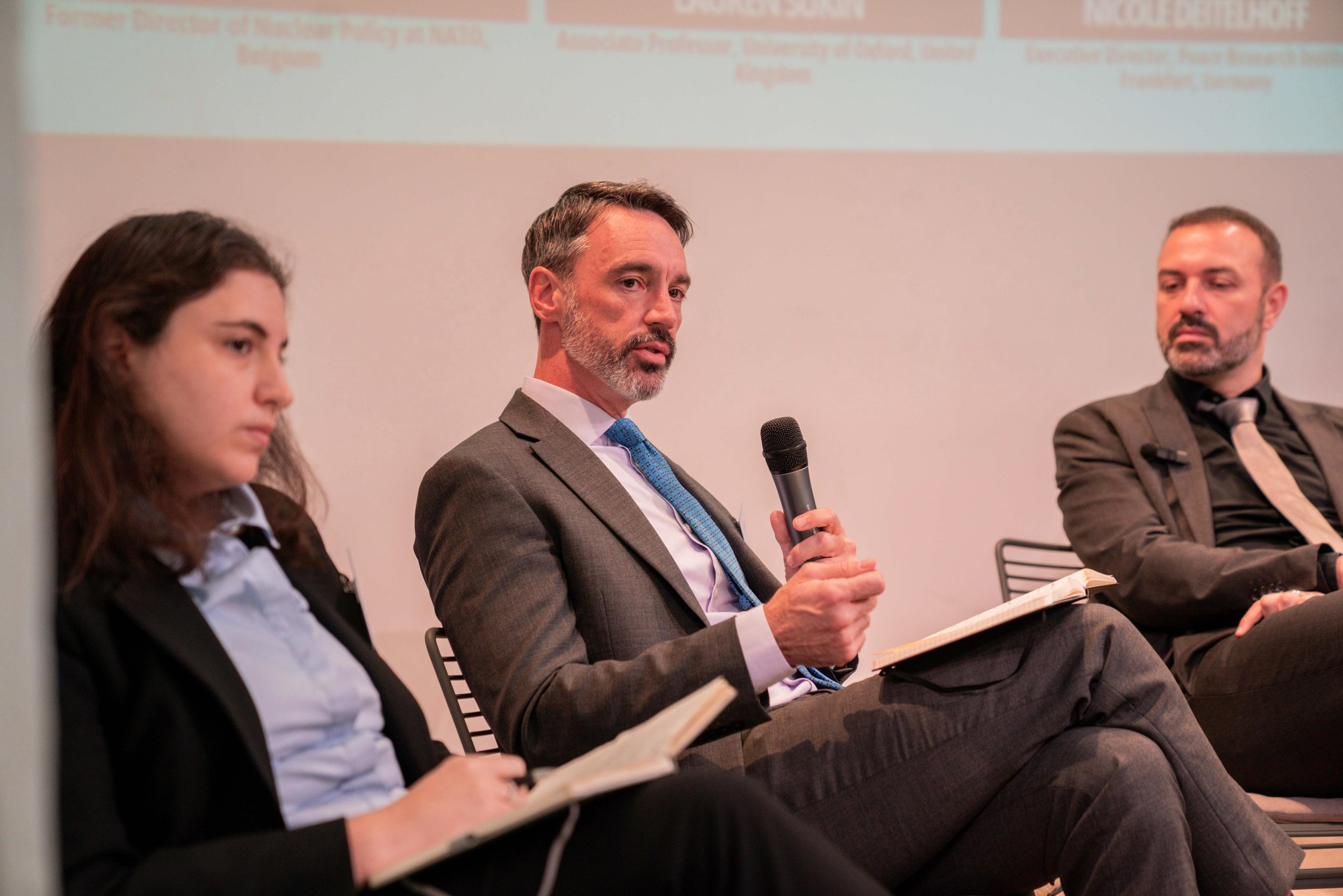
Moderated by PRCP Director Michal Smetana, the first panel brought together Jim Stokes, former Director of Nuclear Policy at NATO, Lauren Sukin of the University of Oxford and Nicole Deitelhoff of the Peace Research Institute Frankfurt. The speakers discussed the declining credibility of U.S. commitments, Europe’s growing responsibility for its own defence, and what the European security order might look like after the war in Ukraine. They also considered the rising role of middle powers and the need to explain to the public why alliances and deterrence still matter.
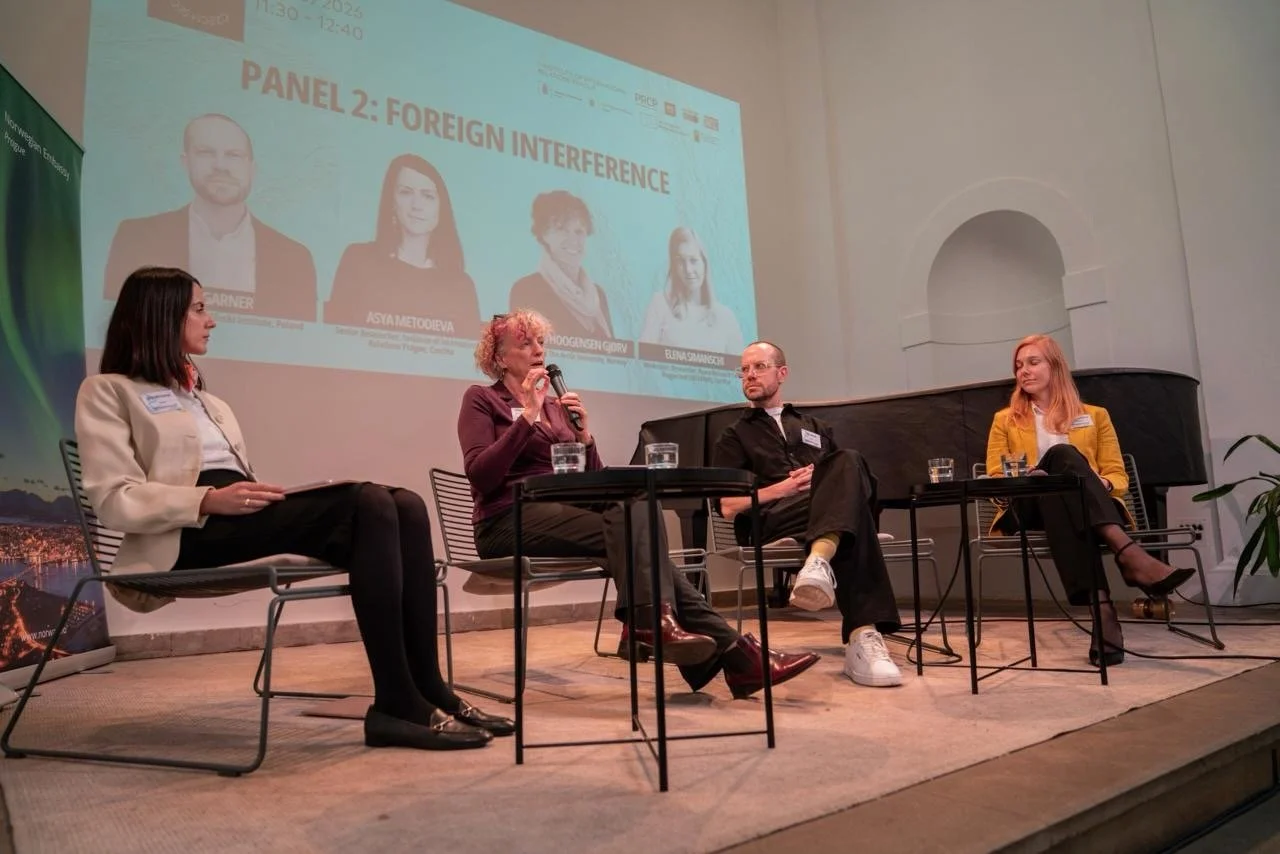
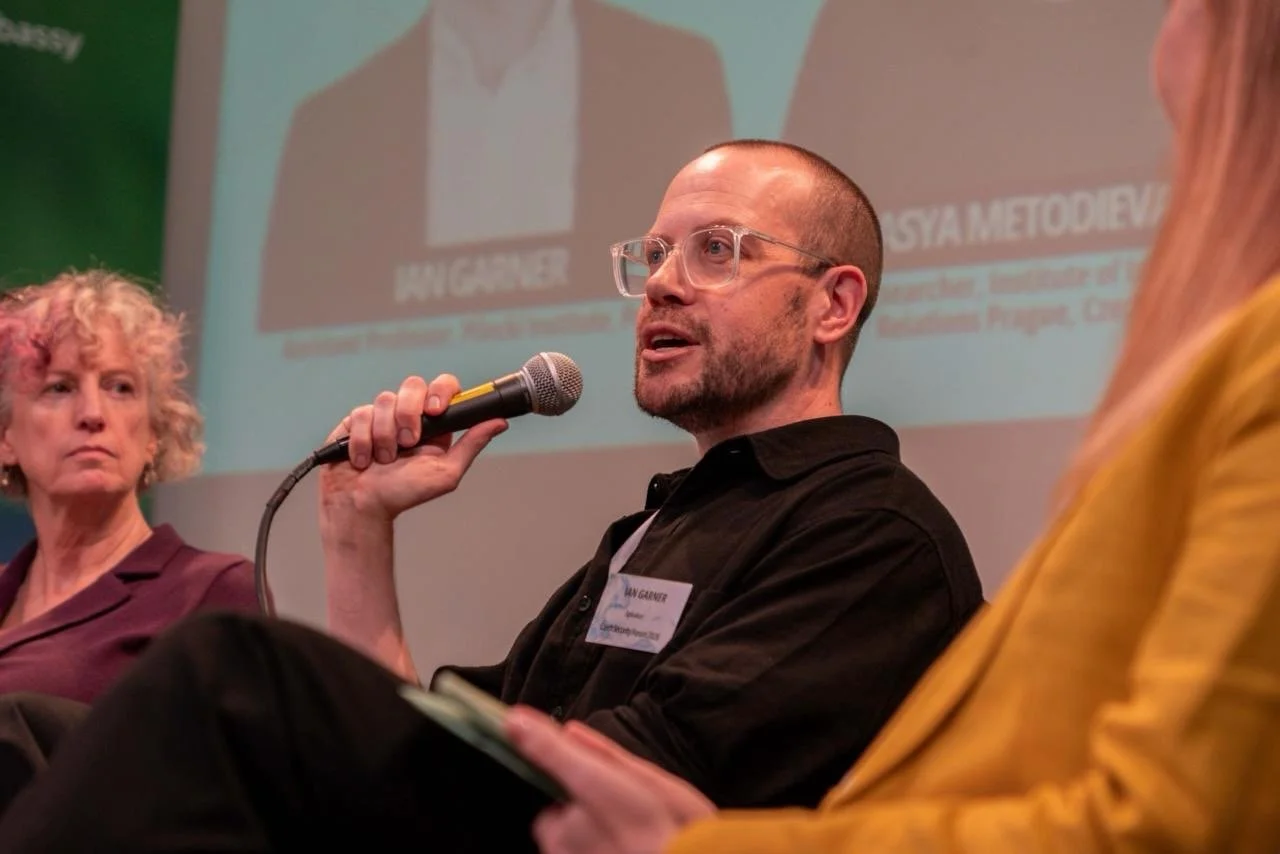
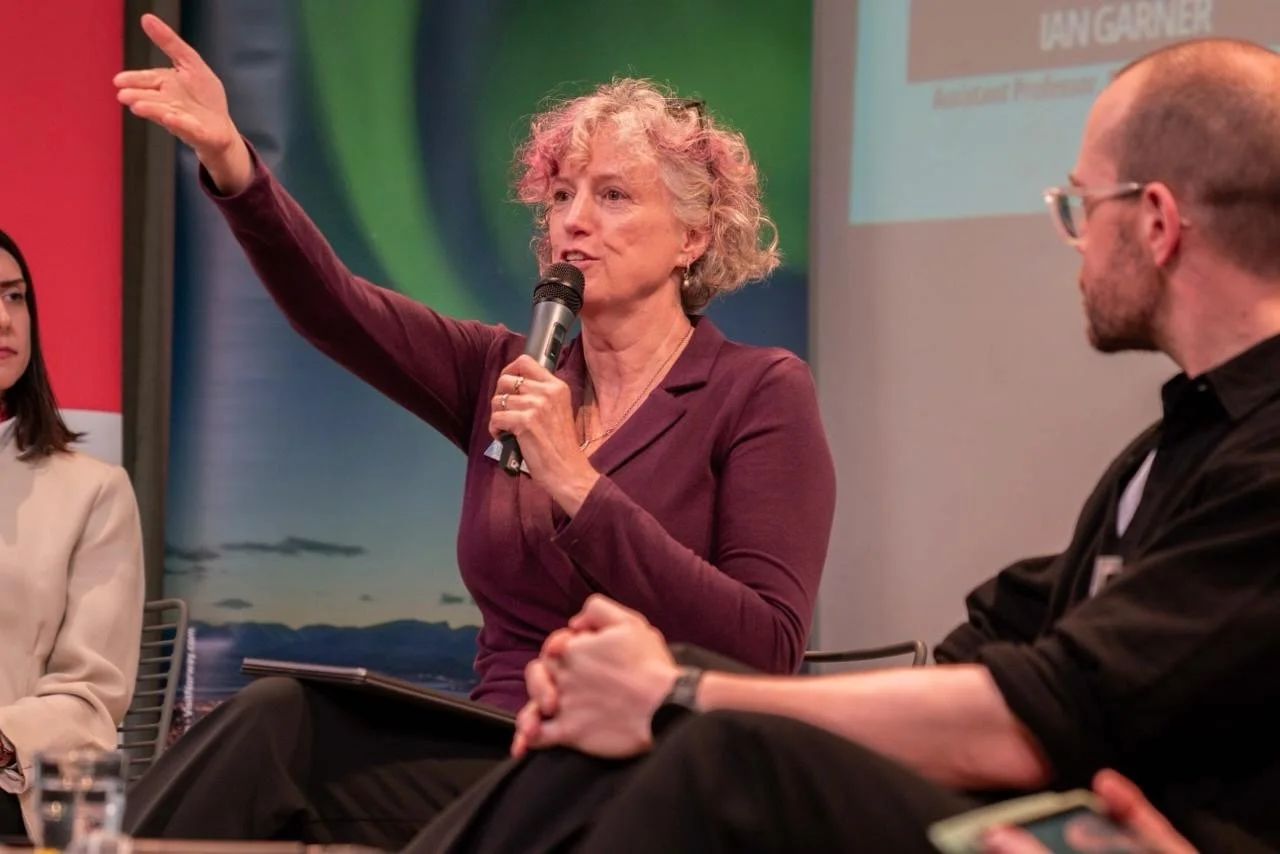
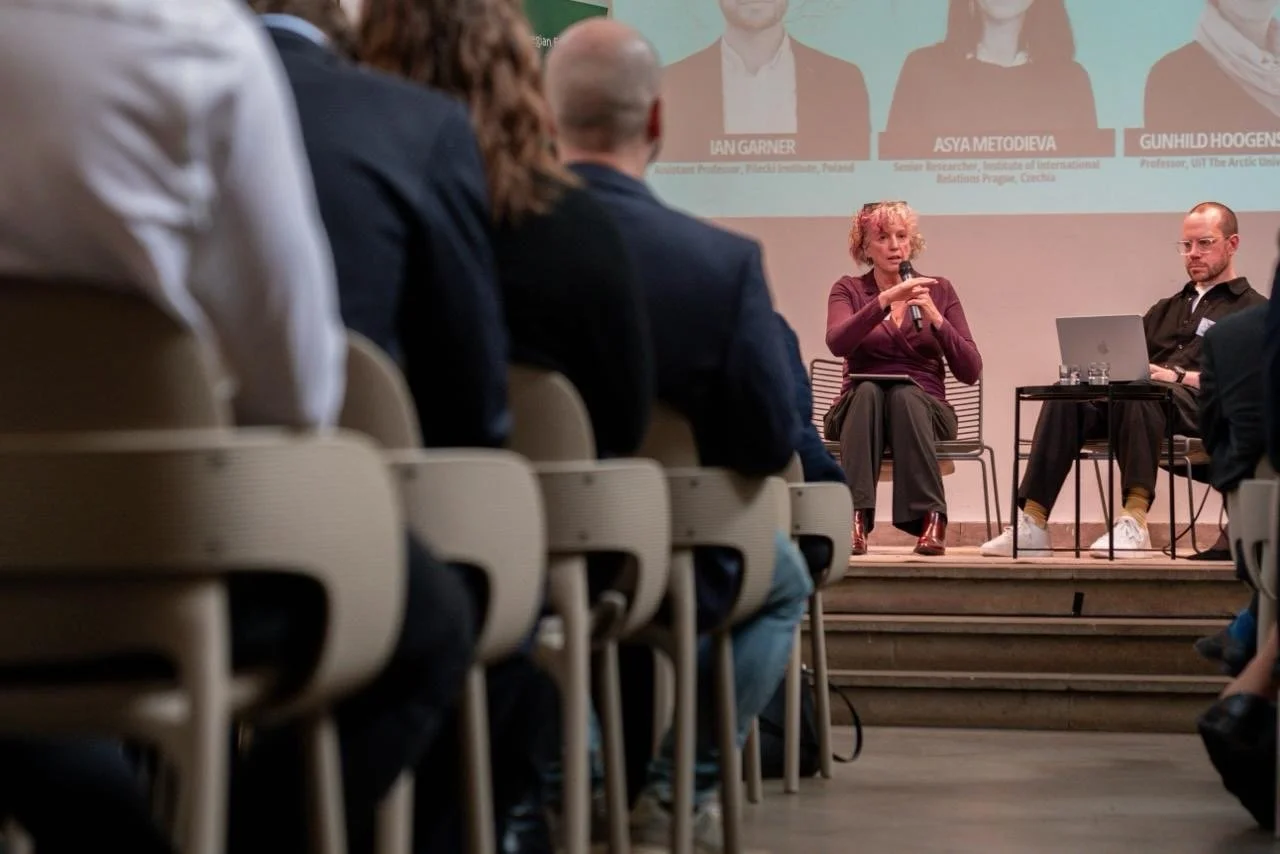
The second panel, moderated by Elena Simanschi (PRCP and INTERFER), featured Ian Garner of the Pilecki Institute, Asya Metodieva of IIR, and Gunhild Hoogensen Gjørv of UiT The Arctic University of Norway. The discussion covered Russian disinformation and AI-generated content, interference during elections, and the blurred line between foreign and domestic actors. Panellists also debated how Europe can respond to these threats, including through platform regulation, without undermining its own democratic values.
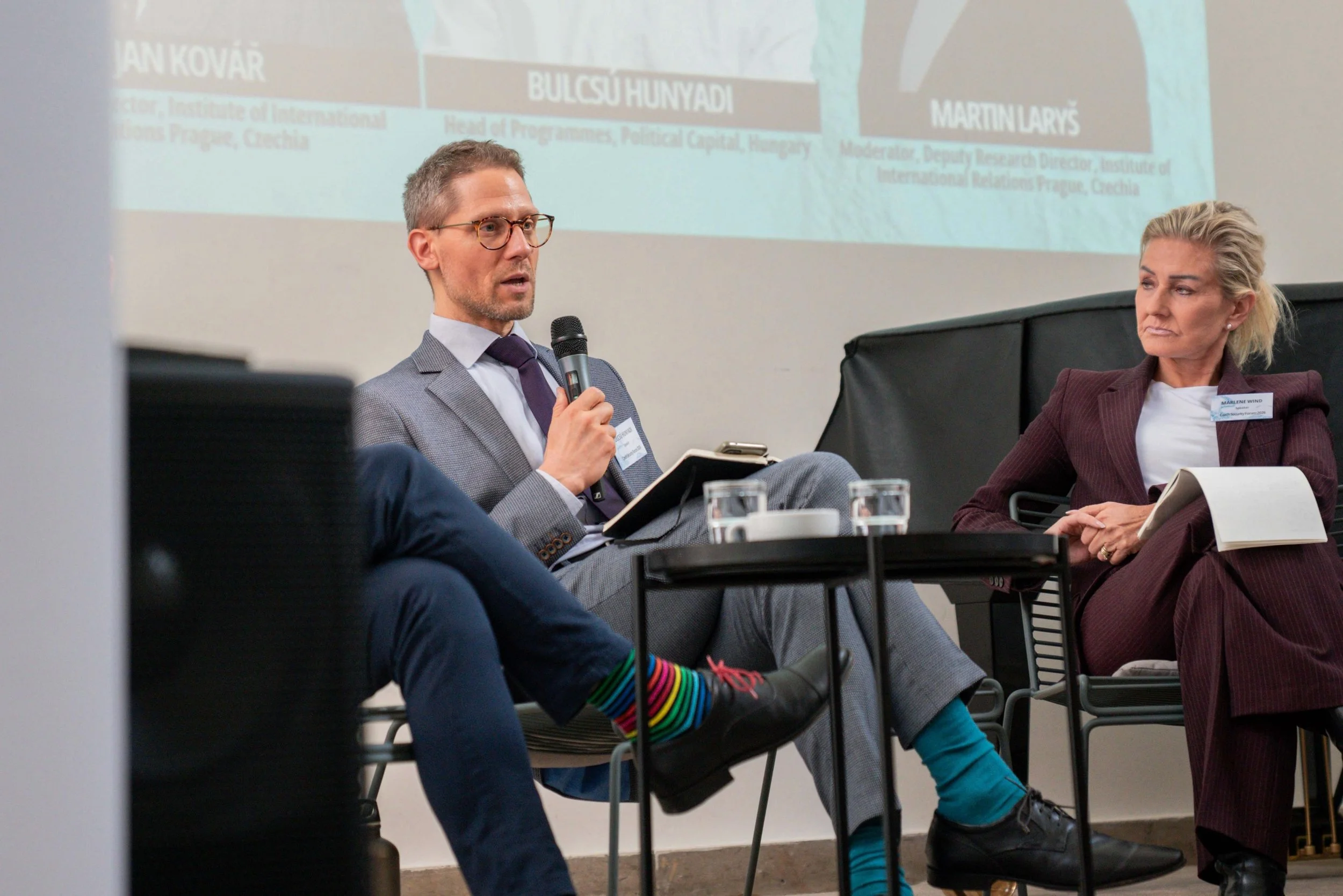
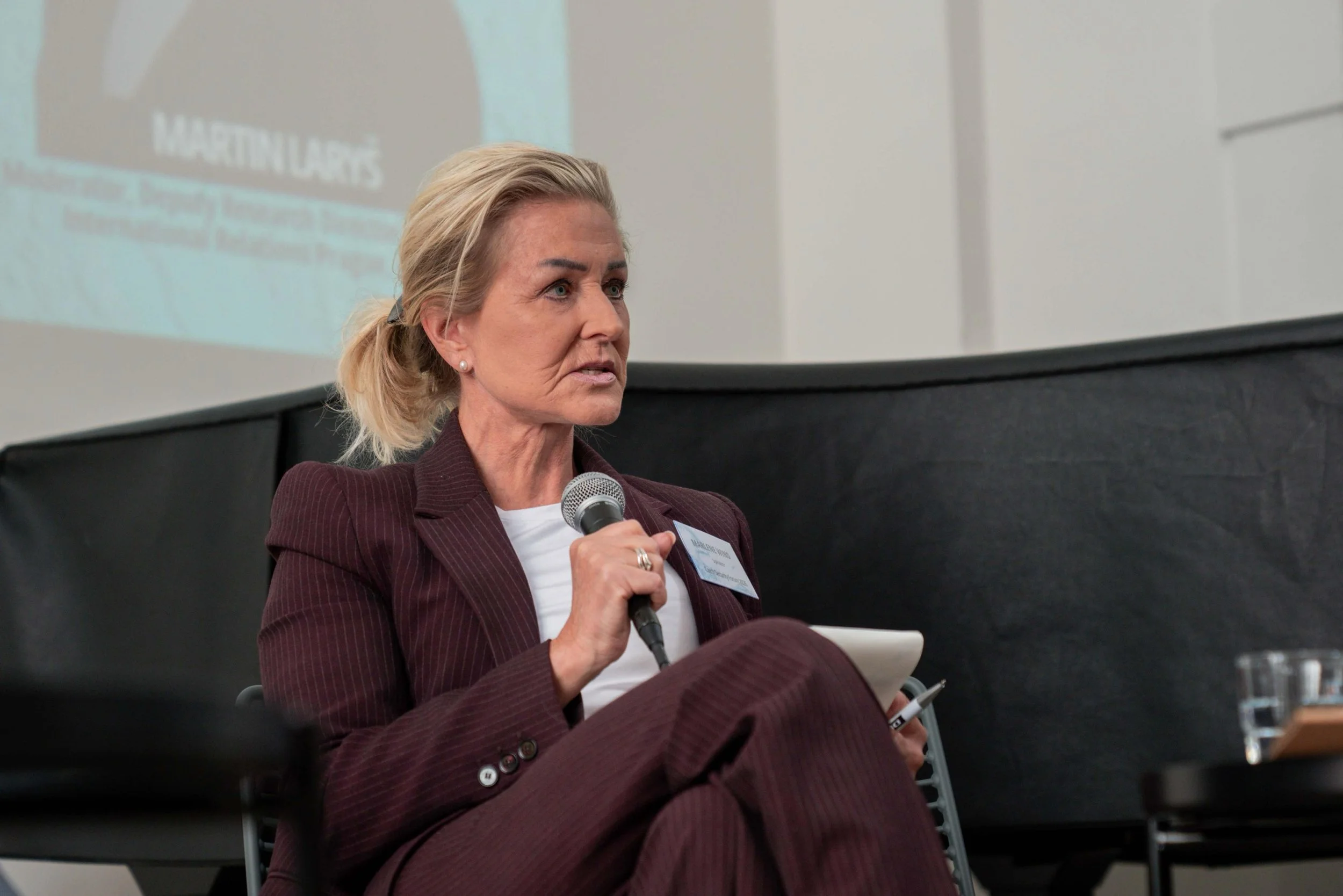
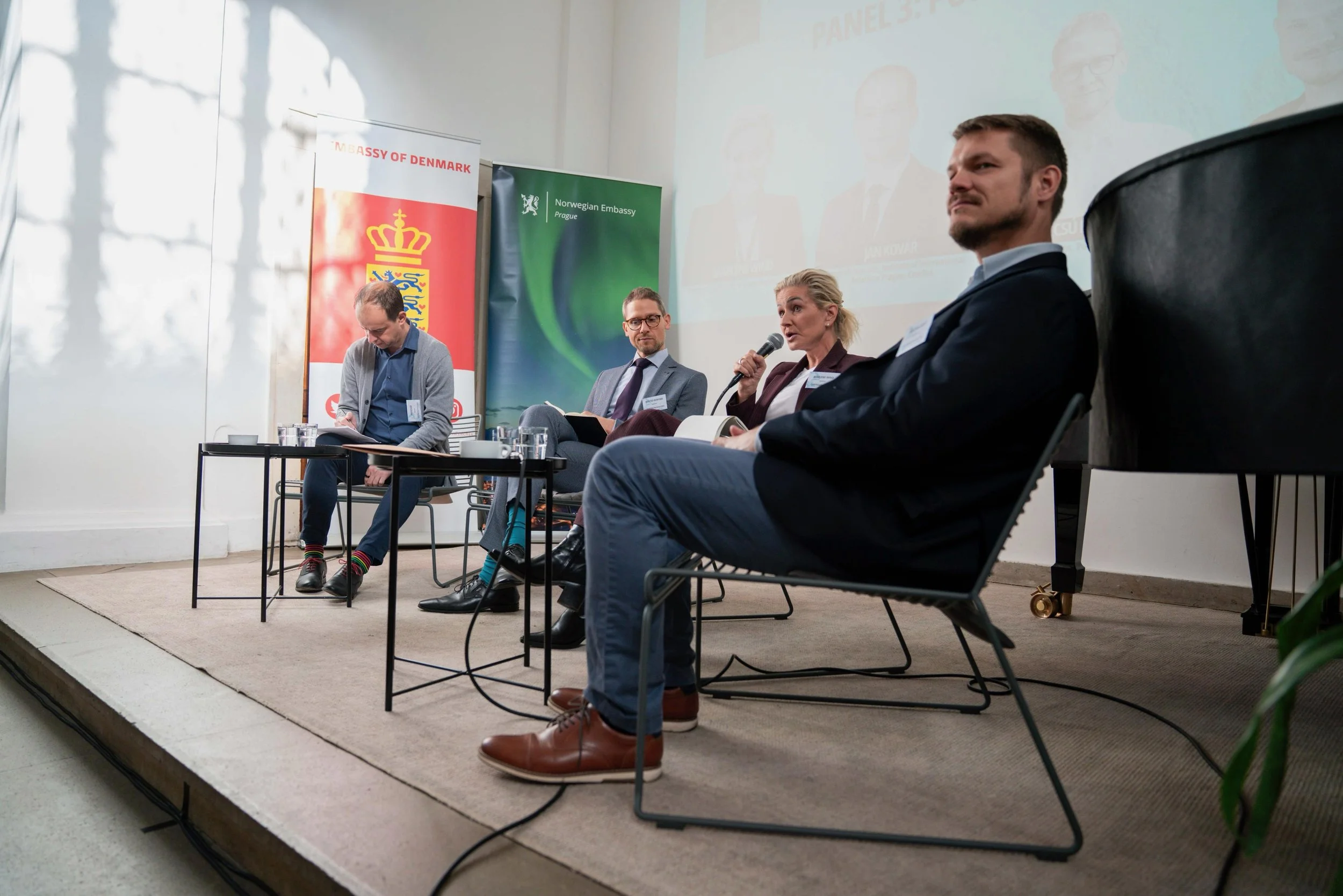
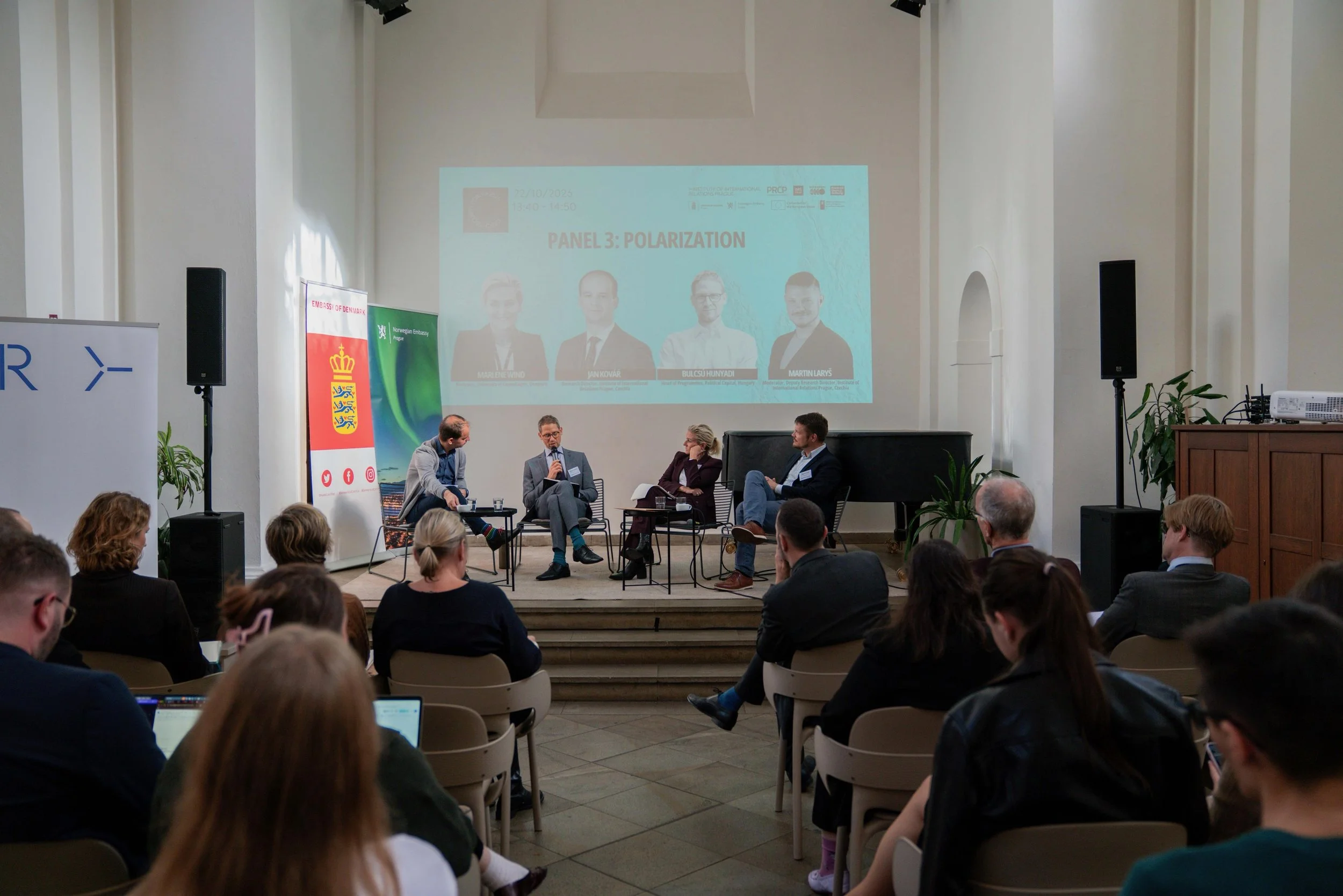
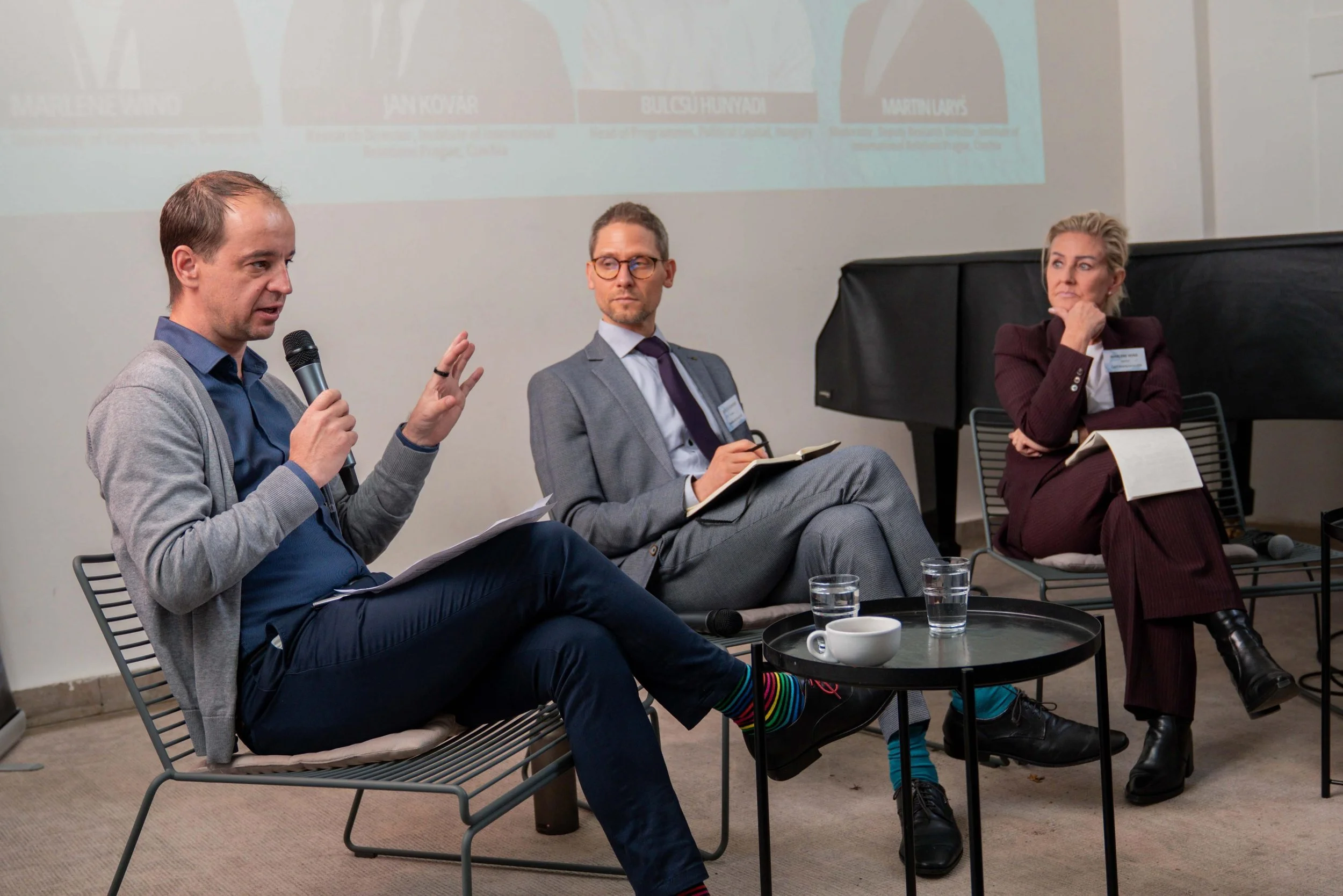
The final panel, moderated by Martin Laryš (IIR), included Marlene Wind of the University of Copenhagen, Jan Kovář of IIR, and Bulcsú Hunyadi of Political Capital. The speakers examined what drives polarization within and between states, from economic and cultural divides to deliberate strategies by political leaders.
Once again, the forum demonstrated the value of bringing researchers and policymakers into the same room at a time when the foundations of European security are under strain. Many thanks to everyone who joined us, and see you next year!