
Lauren Sukin and her colleague Rohan Mukherjee (LSE) have published a roundtable in the Texas National Security Review titled Navigating the New Nuclear Map. The collection explores nuclear politics across the globe, highlighting how global nuclear challenges are interconnected and shaped by domestic politics.
Roundtable with Ami Ayalon, former Director of the Shin Bet
Science fiction and fieldwork study in international relations – how are they connected?
A new article by Jakub Záhora connects two seemingly distant concepts: fieldwork studies in international relations and science fiction stories. The author uses analogies with science fiction to work towards more careful reflections on the ethical, political and personal stakes of field-work based research in international relations.
New research on CFSP's ability to foster convergence
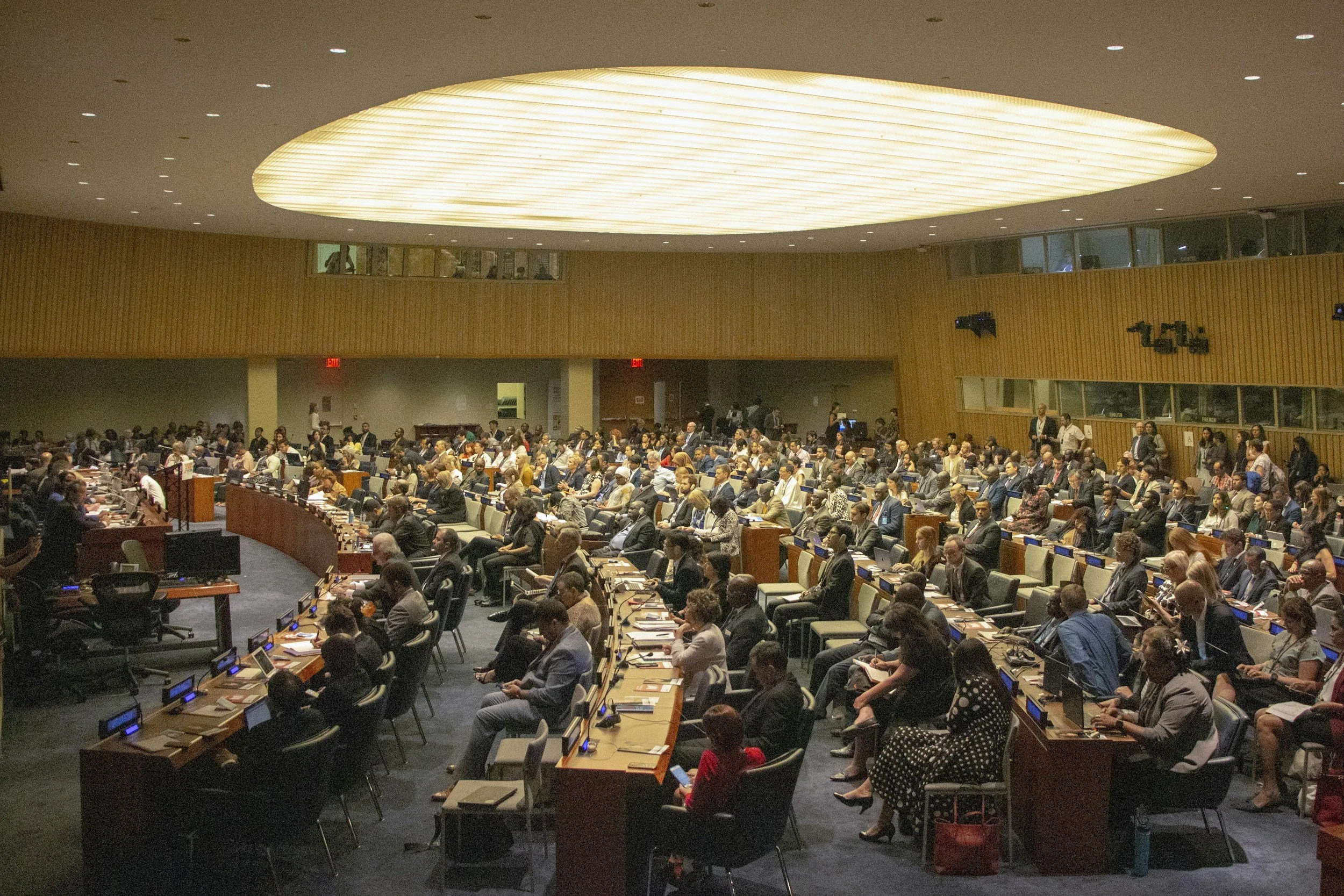
Michal Onderčo and his colleagues study the CFSP’s effect on EU voting on nuclear weapons at the UNGA (1979–2022). Despite strains from global shifts, they find convergence hardly increases but consensus remains stable, challenging mainstream expectations of EU foreign policy. Full study here.
New article: How did the U.S. reassure the public during the Russo-Ukrainian war?
Lauren Sukin and colleagues show that U.S. restraint in the Russo-Ukrainian reassured allies and partners more than displays of force. Based on novel data from a survey of 27 250 people in 24 countries, the study finds that caution and indirect support boosted trust, challenging assumptions favoring military resolve.
New article on narrative research in International Relations
Zuzana Krulichová’s new article in Cooperation and Conflict reviews narrative approaches in IR, distinguishing between agency-centric and structure-centric perspectives. She calls for more focus on their interaction, noting that longitudinal or historical studies could sharpen analysis and theory.
New policy paper on Israel, Gaza, and the failure of Czech human rights policy
Michal Smetana and Daniel Prokop’s policy brief examines the Czech Republic’s uncritical support for Israel during the Gaza conflict, despite mounting evidence of severe violations of international law. They argue that this selective approach undermines Czechia’s human rights credibility, fuels dehumanization, and aligns the country with extremist policies opposed even within Israel.
New article on democracy and state support for arms control
Tobias Risse’s first global quantitative study of the relationship between states’ level of liberal democracy and their support for arms control finds that democracies back conventional arms control regardless of the initiator but support nuclear control only if led by democracies.