
Ondřej Rosendorf

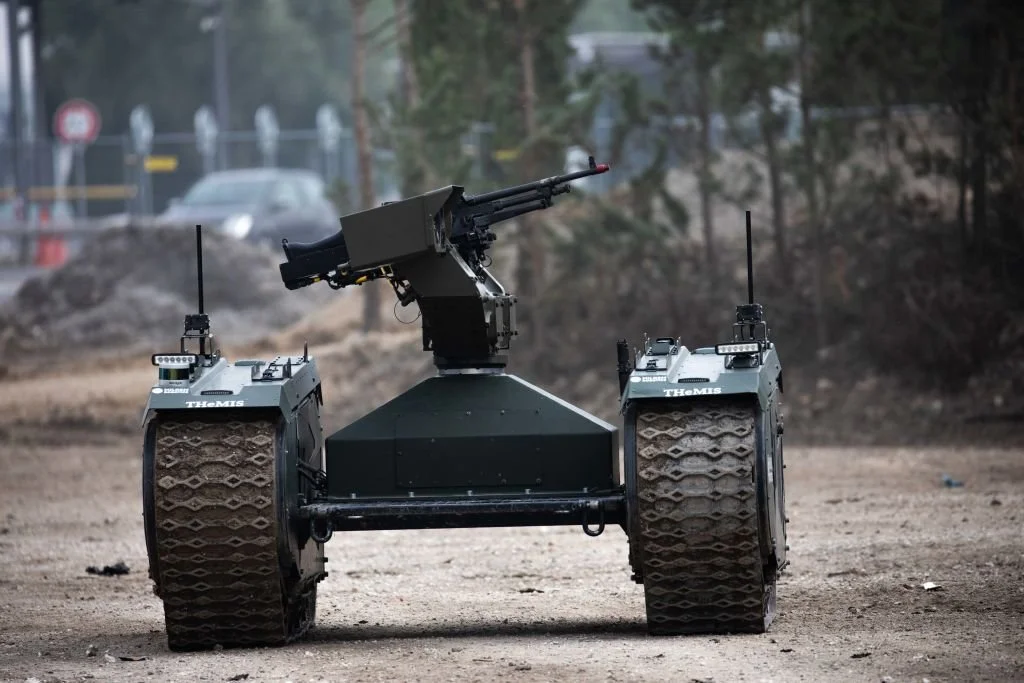
Does the public support the usage of autonomous weapons? Findings from a cross-national survey experiment

Does the public support the usage of autonomous weapons? Findings from a cross-national survey experiment

Public support against usage of autonomous weapons is well documented, yet prior experiments focus largely on U.S. samples and “terrorist” scenarios, limiting cross-national generalizability. This preregistered experimental survey in the United States, Brazil, Germany, and China finds that the public responds similarly to risk-based primes across countries, enemy identity has no significant effect, and Chinese respondents show higher overall support. Find the full study here.

New article on public support for arms control in the third nuclear age

New article on public support for arms control in the third nuclear age

Michal Smetana, Marek Vranka, and Ondřej Rosendorf explore public support for arms control in the third nuclear age, arguing its complexity lowers awareness. People rely on simple heuristics, making opinions elastic and open to “elite cues” from experts and politicians shaping attitudes.

New Report: Public Support for Nuclear Arms Control

We are happy to publish the new report on public support for nuclear arms control conducted by the Experimental Lab for International Security Studies (ELISS)!

The report offers results of a cross-national survey regarding public support for nuclear arms control with Russia and China, in the United States, United Kingdom, France, Germany, and Poland. Furthermore, the survey included an embedded experiment investigating cross-national attitudes toward nuclear and chemical weapon use.

Research Article: Elite-public gaps in support for nuclear and chemical strikes

In this publication, Michal Smetana, Marek Vranka and Ondřej Rosendorf provide empirical evidence for the hypothesis that there are substantial elite-public gaps in support for the military use of nuclear and chemical weapons. These findings strongly contribute to the ongoing academic debate on the significance of nuclear and chemical weapon ‘taboos’ in global politics.