
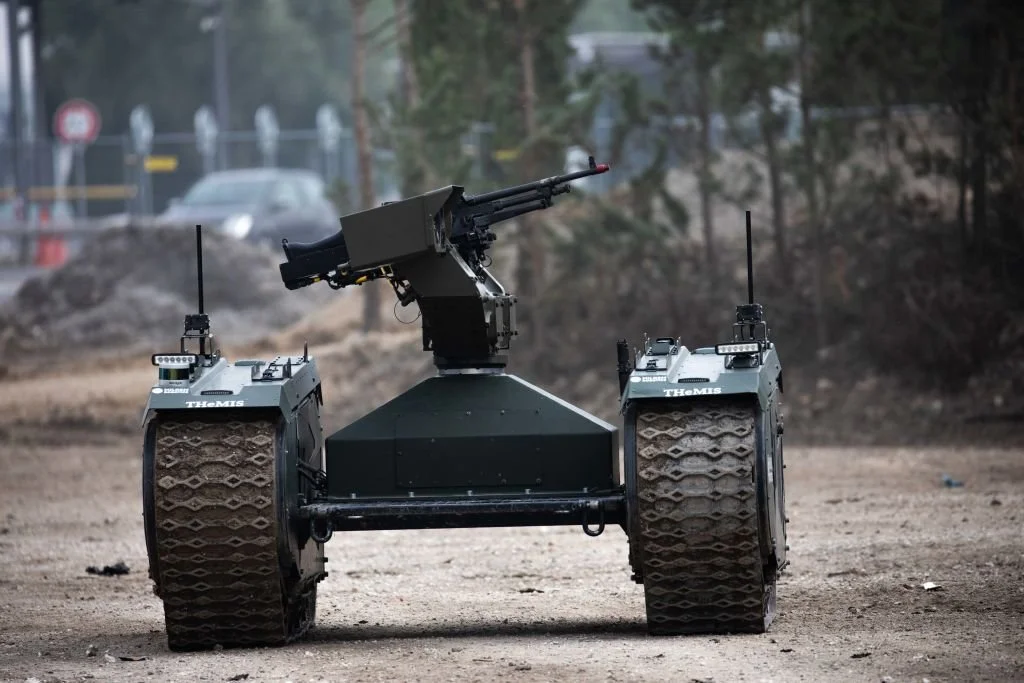
Autonomous weapons highlight the growing tension between technological innovation and ethical concerns in contemporary warfare. Although observational studies often show public opposition to their use, experimental studies in the United States suggest that support depends on the context. This raises doubts about whether negative attitudes reflect deeply rooted moral objections or more flexible judgments. However, existing experiments focus almost entirely on U.S. respondents and frequently use scenarios involving “terrorist” targets, which may artificially increase approval. As a result, we know little about whether factors such as the risk of misidentifying targets or the type of adversary shape public opinion in similar ways across different countries.
To address this gap, Ondřej Rosendorf, Michal Smetana, Marek Vranka and Anja Dahlmann conducted a preregistered survey experiment in the United States, Brazil, Germany, and China. They examined how information about targeting risks and whether the opponent was a terrorist group or an aggressive state influenced support for autonomous weapons. Their results indicate that the public responds similarly to risk-based primes across countries, while the identity of the enemy has no significant effect. Respondents in China expressed higher overall support than those in the other three countries. These results advance research on public attitudes toward emerging military technologies and demonstrate the importance of cross-national evidence.