Series of policy briefs in response to scholarly article “Atomic Responsiveness”

Series of policy briefs in response to scholarly article “Atomic Responsiveness”

In November 2025, PRCP researchers alongside Stephen Herzog (Middlebury Institute of International Studies at Monterey) published “Atomic responsiveness” in the European Journal of International Security. The article sparked an academic exchange with Florian Eblenkamp (ICAN). This Policy Brief series presents his response and Herzog’s rejoinder.

New policy brief: Iran after the 12 Day War

New policy brief: Iran after the 12 Day War

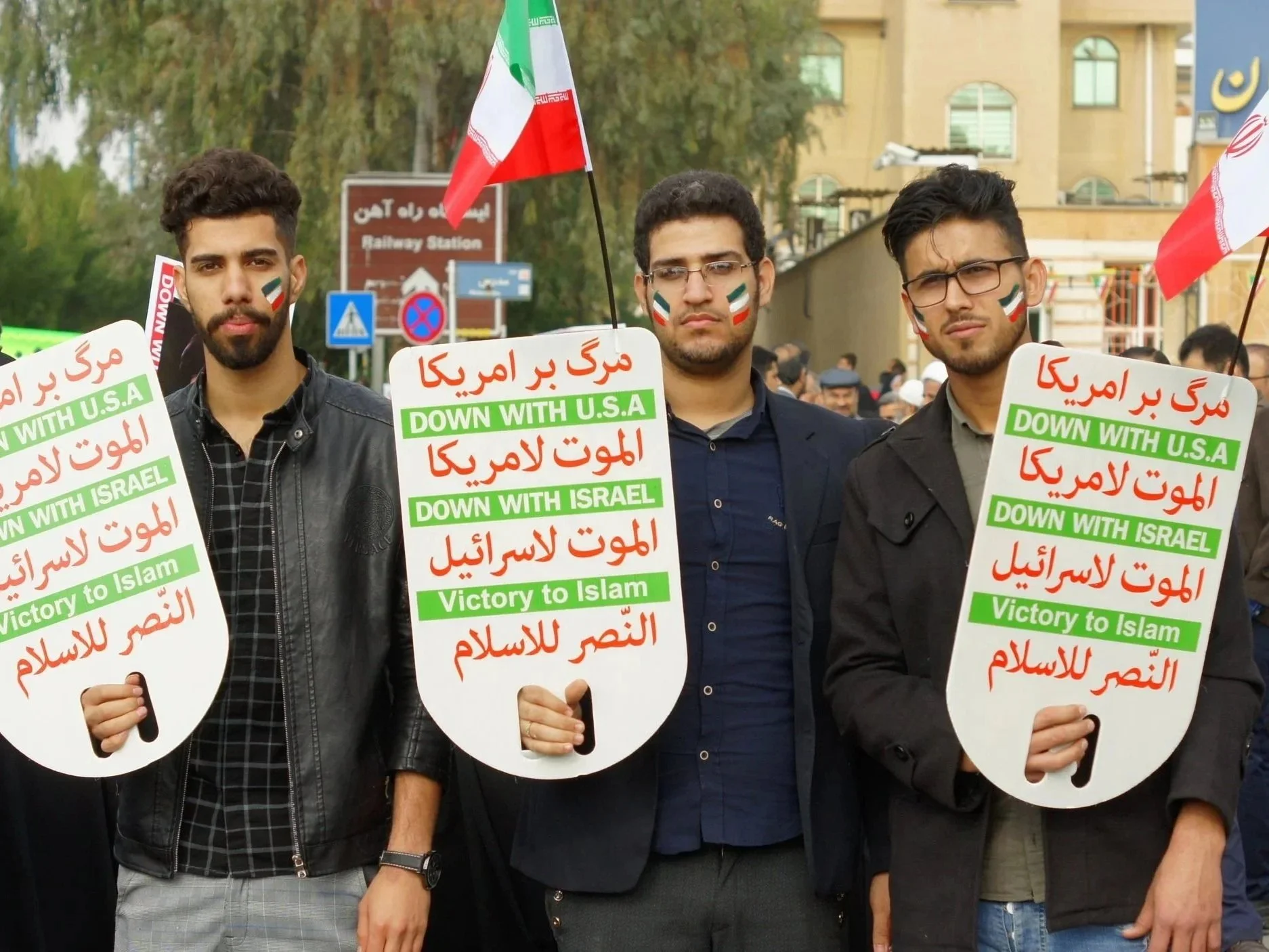
How has the 12 Day War influenced the Islamic Republic’s domestic situation and legitimacy in Iran? Jakub Koláček addresses this question in his policy brief, arguing that the current apparent weakening of the regime does not mean its ending. He provides deeper insight into the historical context of the country as well as recommendations for European diplomacy.

New working paper: Chronological tracing of nuclear signalling between Russia and NATO during Ukraine war

New working paper: Chronological tracing of nuclear signalling between Russia and NATO during Ukraine war

This working paper by SWP and PRCP chronologically traces nuclear signaling in Russia’s war against Ukraine from autumn 2021 to January 2025, coding 452 Russian and Western public statements. Results show a strong asymmetry: Russia focused on amplifying nuclear risk perceptions, while the West emphasized deterrence, restraint and de-escalation.

How has Czech support for Ukraine changed with the new ANO government?

How has Czech support for Ukraine changed with the new ANO government?

A new policy brief by Vojtěch Bahenský analyzes how the new ANO-led Czech government may shift toward more cautious, low-profile support for Ukraine. The document assesses both the political will and the military capacity for any future Czech role in the Multinational Force Ukraine (MFU). The policy brief was published within a project on the MFU by the Norwegian Institute of International Affairs (NUPI).

Does public opinion shape elite preferences on nuclear weapon use? New aticle in EJIS

Does public opinion shape elite preferences on nuclear weapon use? New aticle in EJIS

Can public opinion shape elite attitudes toward the use of nuclear weapons? Our new study in EJIS finds that public support increases policymakers’ willingness to endorse nuclear first use. While finding that effects are weaker in retaliation scenarios, the study concludes that sympathetic public opinion strenthens the credibility of third-party nuclear threats.

Czech Security Forum 2025: Are we in a new Cold War?

Czech Security Forum 2025: Are we in a new Cold War?

This week, the Czech Security Forum 2025 brought together leading global experts to discuss whether we’ve entered a Second Cold War. Featuring keynote speaker Barry Buzan, the event explored shifting power dynamics, global rivalries, and Czech foreign policy resilience, showcasing the increasing importance of collaboration between academia and foreign & security policy.